
Bird photography tips for Oklahoma birders
These bird photography tips apply anywhere, but a few are especially useful for Oklahoma conditions — open prairie light, working ranchland, and the backyard feeders that draw in most of the state's 212 documented species. Bird photography rewards patience more than expensive gear, and these Oklahoma-tested bird photography tips reflect that.
Know your subject first
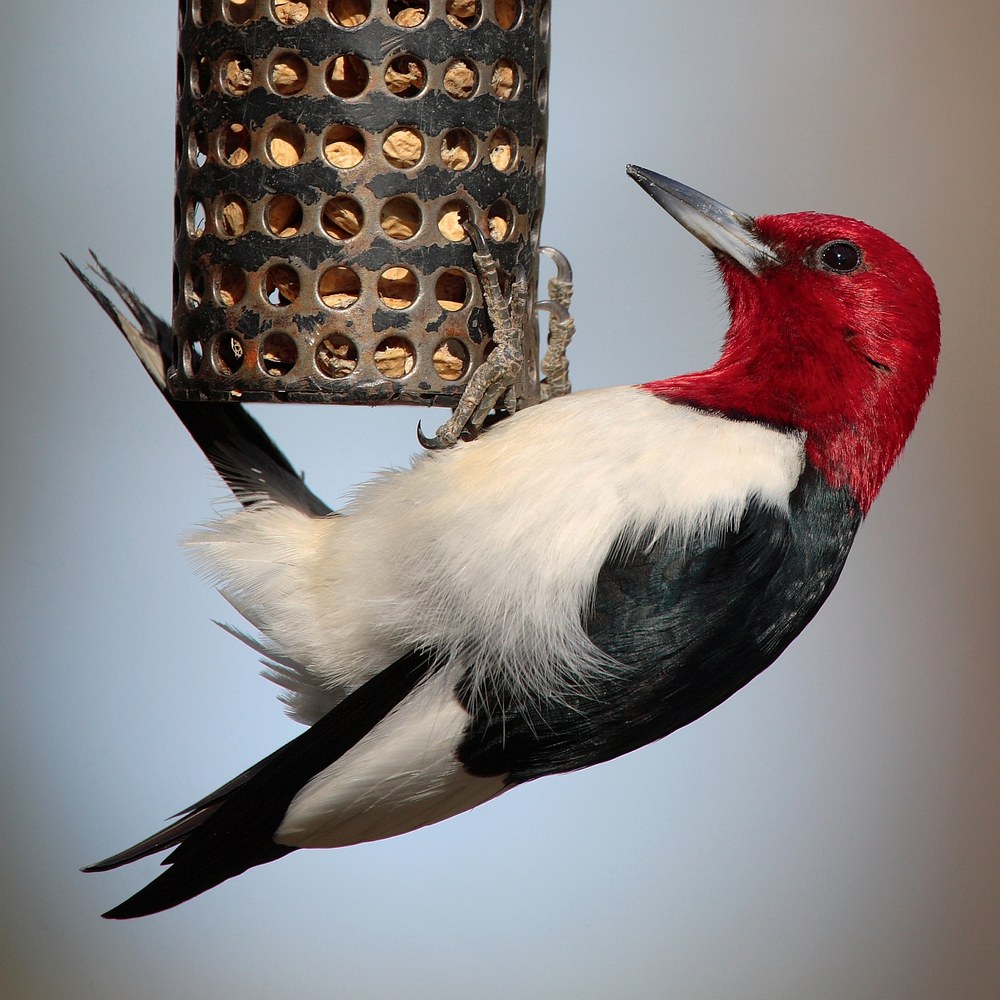
The photographers who consistently get great images tend to share one thing beyond technical skill: they know their subject's habits, habitat, and seasonal patterns in real depth. Knowing where a species feeds, when it's most active, and how weather changes its behavior matters more than any piece of equipment. A backyard feeder is one of the best places to start — it's a reliable, "staged" opportunity to practice.
Light matters more than gear
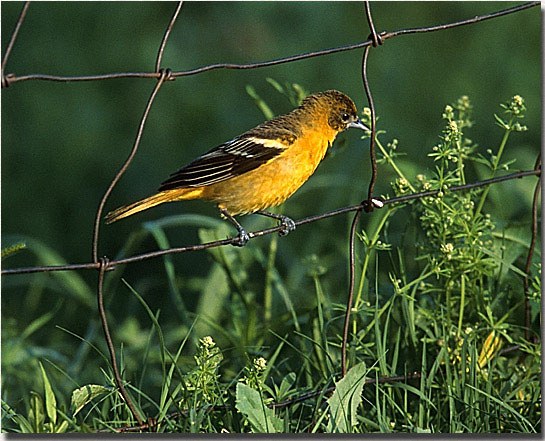
Harsh midday sun tends to wash out color and create hard shadows. The hour or so after sunrise and before sunset — sometimes called the "golden hour" — gives soft, saturated light, and it's also when birds tend to be most active. A hazy or overcast day works well too. On unavoidably bright days, a polarizing filter cuts glare and helps colors read true.
Composition
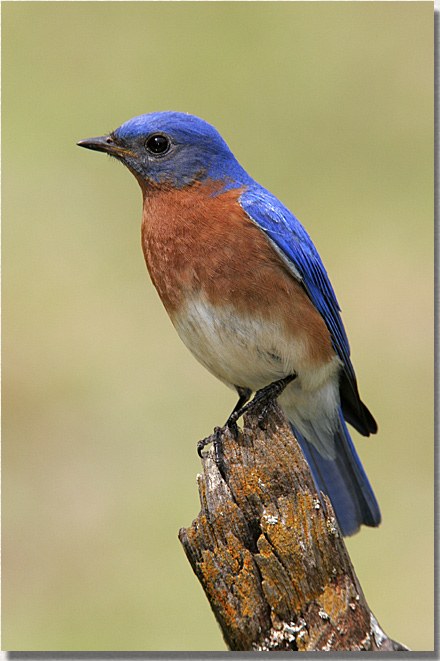
Most beginners default to horizontal framing and centering the subject — but vertical framing and the rule of thirds (placing the subject near one of the frame's imaginary dividing lines, not dead center) generally produce a stronger image. The one common exception: images meant purely for identification, where a centered, clearly-lit subject is more useful than an artful one. A clean, uncluttered background — sometimes just a small step to one side — makes the subject stand out far more than the camera settings do.
Getting close, carefully
Birds are small in the frame more often than beginners expect, and getting close enough without spooking the subject takes real patience. Slow, deliberate movement, using natural cover to break your silhouette, and simply waiting still in one spot for several minutes often works better than trying to approach directly. A parked car is also a surprisingly effective, low-disturbance blind — many birds are conditioned to ignore vehicles in a way they never ignore a person on foot. Whatever the method, a subject's welfare always comes before getting the shot.
Fill light in the shadows
Birds are often partly shaded even in good light — a touch of fill-flash, dialed down below full strength, can even out shadows and add a catch-light to the eye without the image looking obviously flashed.
Shoot more than you think you need
Birds rarely hold a pose on command. Modern continuous-shooting modes make it easy to fire off a burst rather than a single frame — expect to keep only a small fraction of what you shoot, even among experienced photographers, and don't be discouraged by that ratio.
Long lenses take practice
A telephoto lens amplifies camera shake as much as it amplifies reach, so a solid tripod and steady technique matter as much as the lens itself once you're working with serious focal length. It's a real learning curve, but not an unusual one — steady hands and a stable base solve most of it.