
Habitats
Oklahoma Birding Hotspots: where to find every habitat on this map
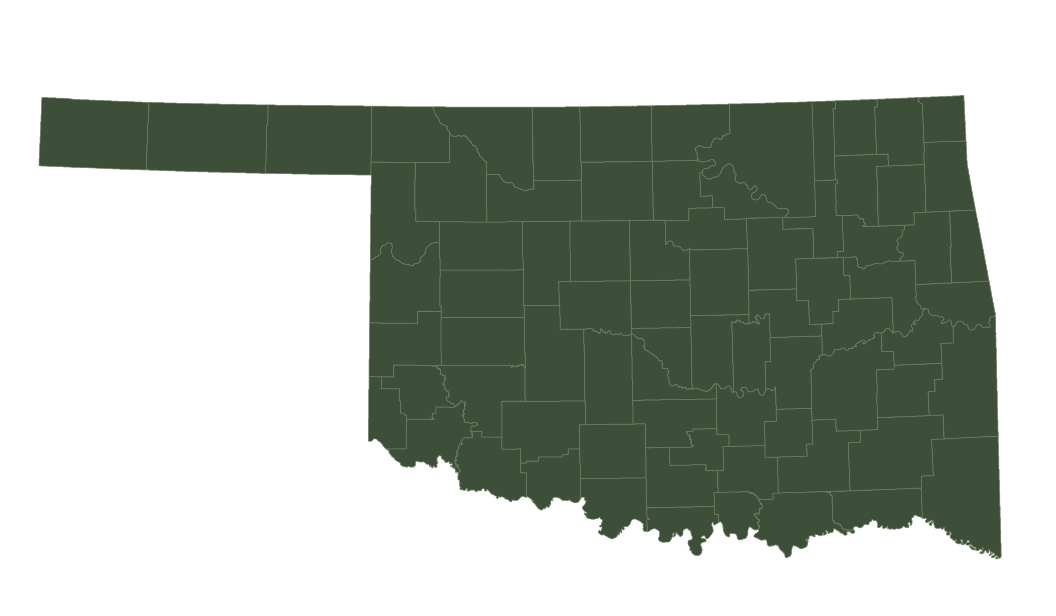
24 real birding hotspots across Oklahoma's shortgrass plains, tallgrass prairie, granite mountains, and pine forest — from the high mesa country of the Panhandle to the wetlands of Red Slough in the state's forested southeast corner. Click a pin on the map, or scroll through the list below to see the birds, butterflies, and dragonflies each habitat supports.
24 hotspots · 8 regions · 3 species groups
Photo: Justin Meissen / Wikimedia Commons (CC BY-SA 2.0)Oklahoma birding hotspots by habitat type
These Oklahoma birding hotspots are grouped by habitat rather than just location, since habitat is the single best predictor of which species you'll actually see. Each of the hotspots below is a real, public site — no guesswork, no invented locations — so this map of Oklahoma birding habitats doubles as a practical trip-planning tool. Whether you're new to Oklahoma birding or plotting a statewide trip, these Oklahoma birding hotspots cover every major habitat type in one place.
Panhandle Oklahoma · Shortgrass prairie and high mesa country
Black Mesa State Park
Oklahoma's driest, highest terrain — shortgrass plains broken up by mesas and canyon country.
Species you might see here
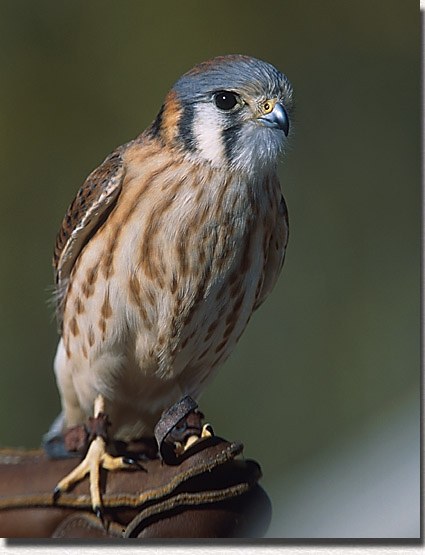
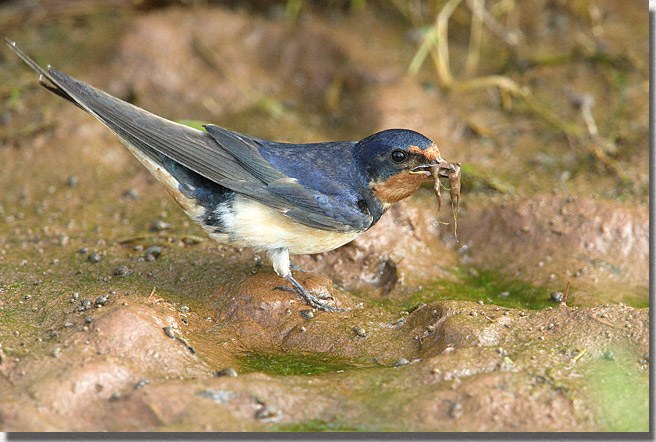
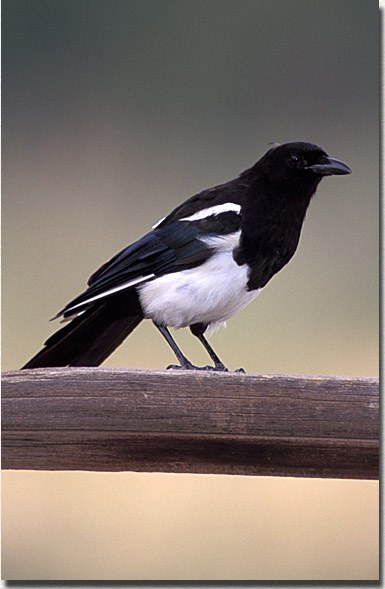
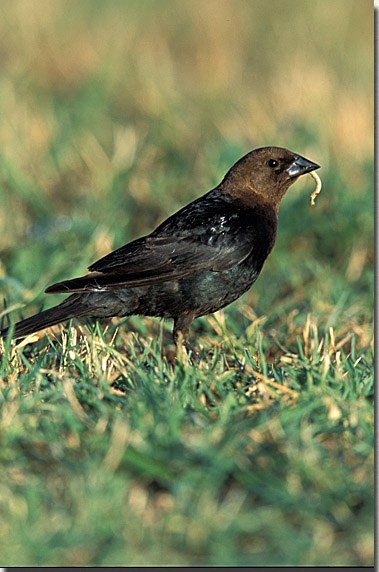
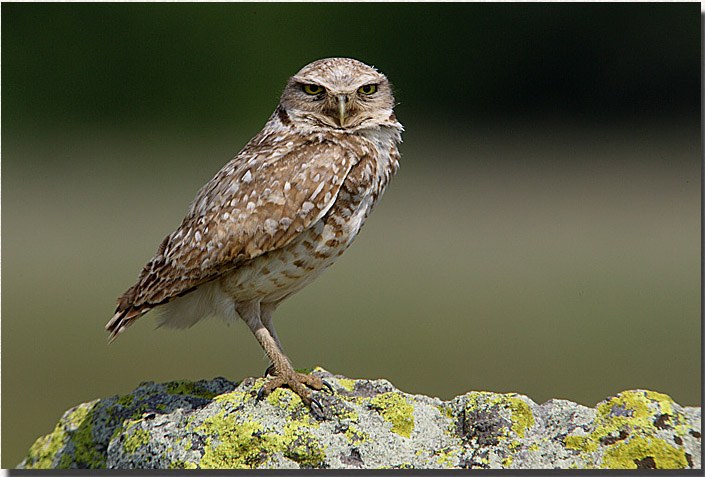
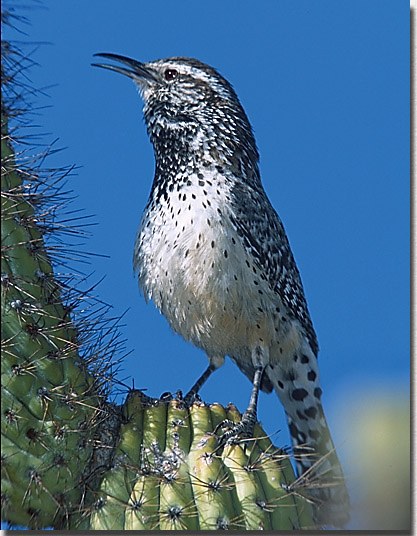
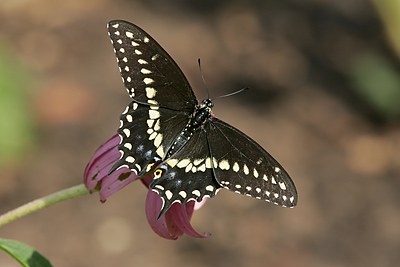
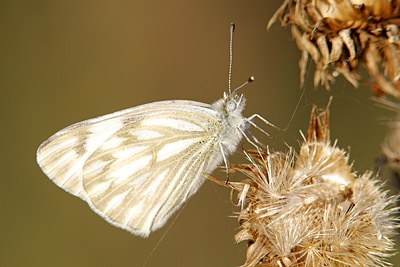
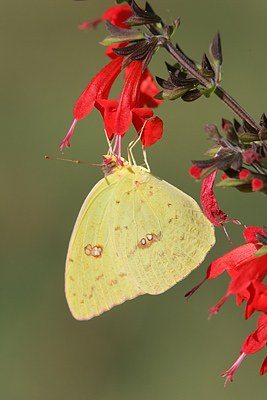
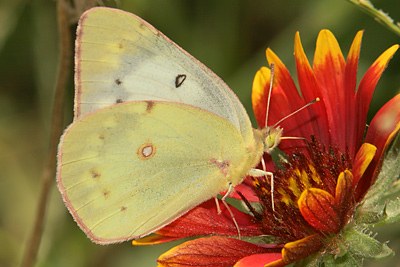
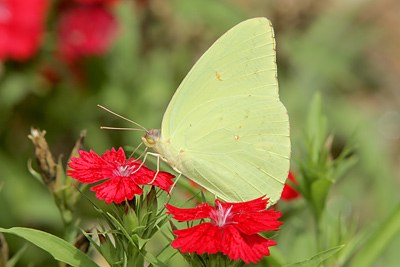
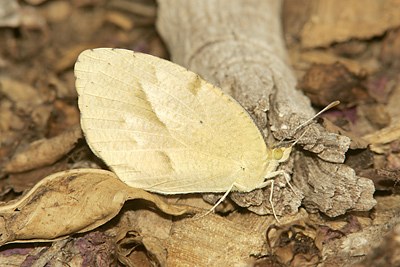
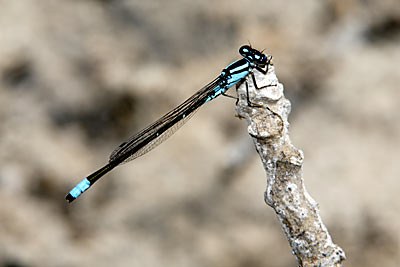
Panhandle Oklahoma · Shortgrass prairie and high mesa country
Optima National Wildlife Refuge
Oklahoma's driest, highest terrain — shortgrass plains broken up by mesas and canyon country.
Species you might see here
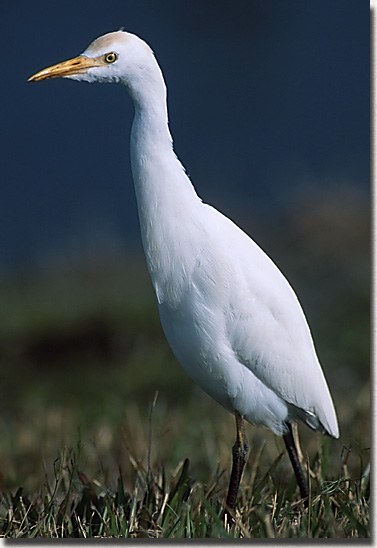
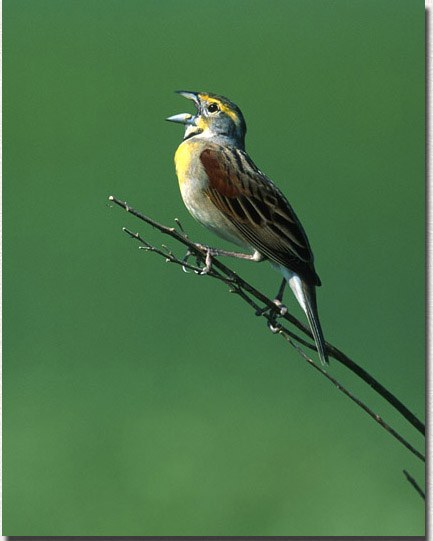
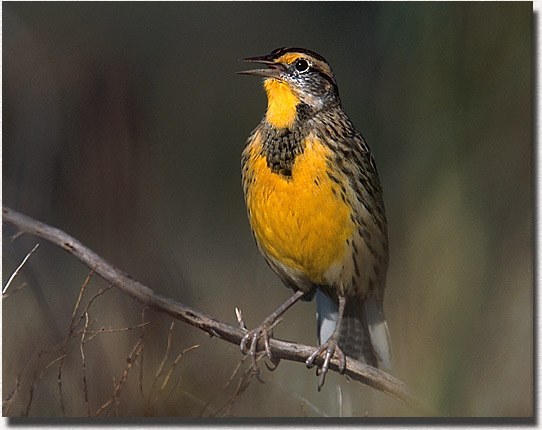
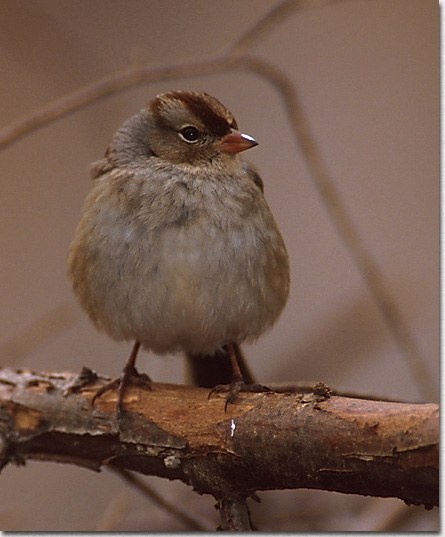
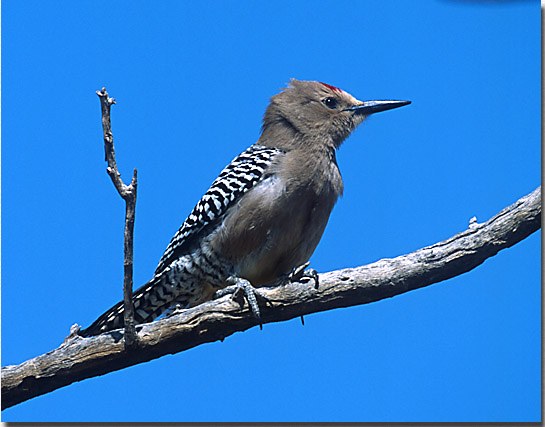
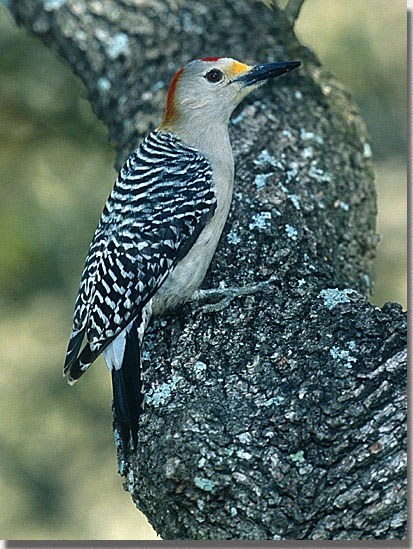
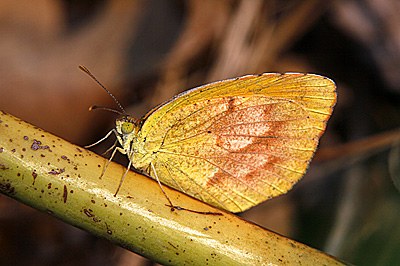
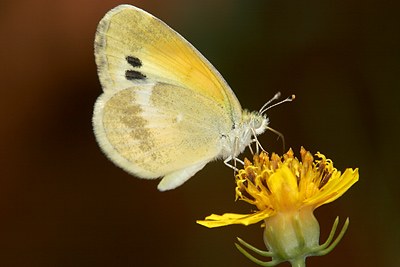
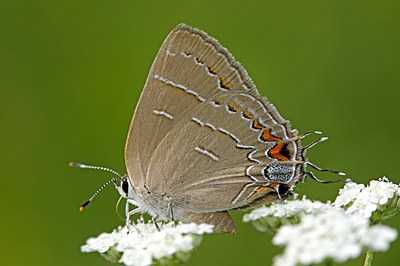
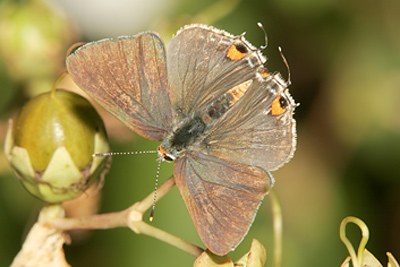
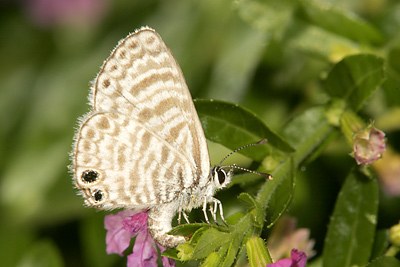
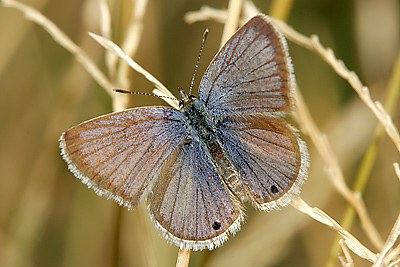
Panhandle Oklahoma · Shortgrass prairie and high mesa country
Rita Blanca National Grasslands
Oklahoma's driest, highest terrain — shortgrass plains broken up by mesas and canyon country.
Species you might see here
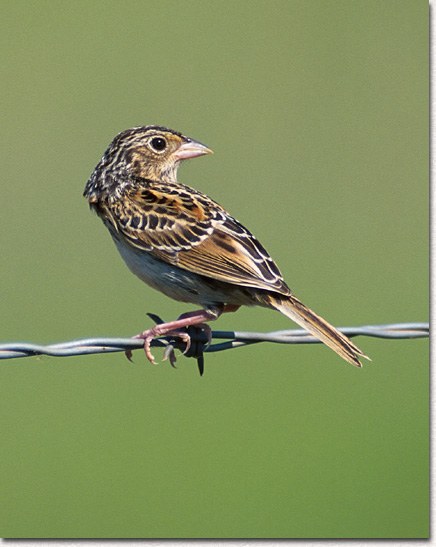
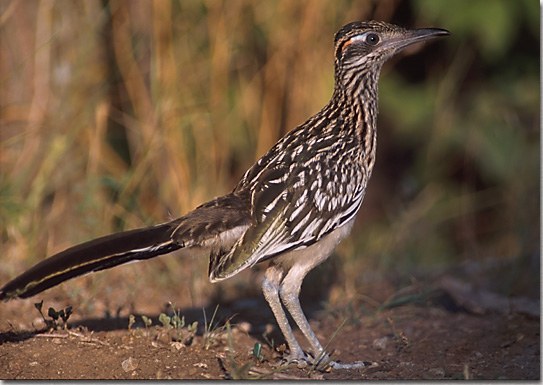
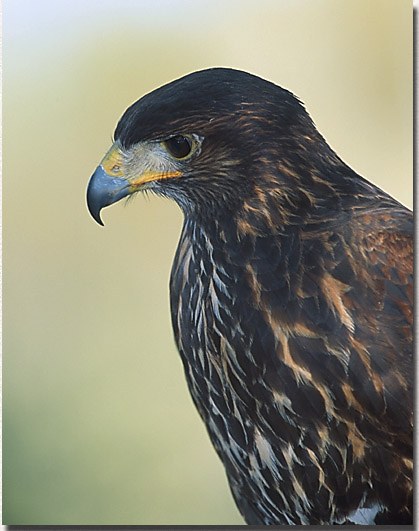
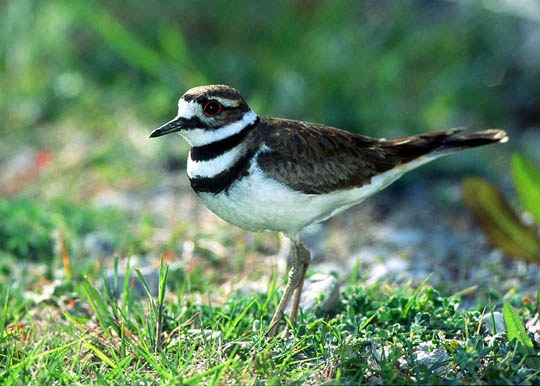
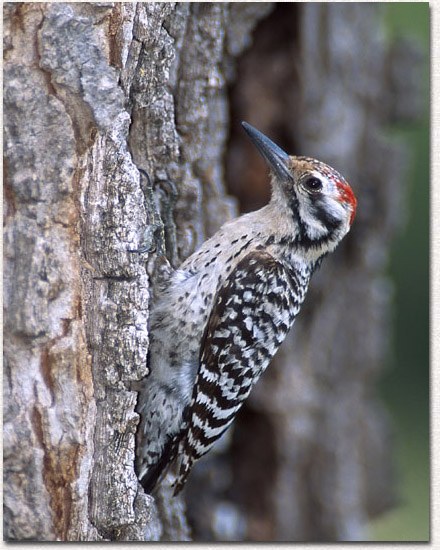
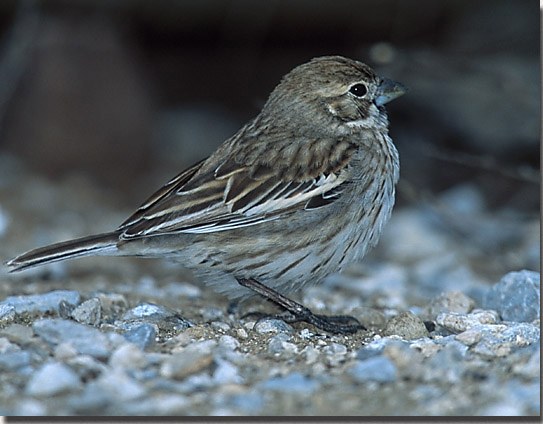
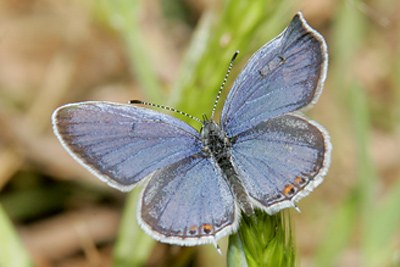
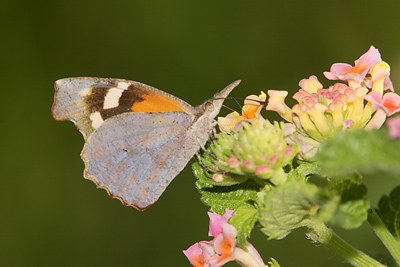
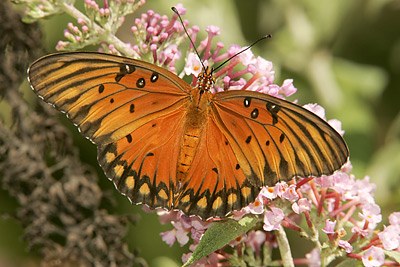
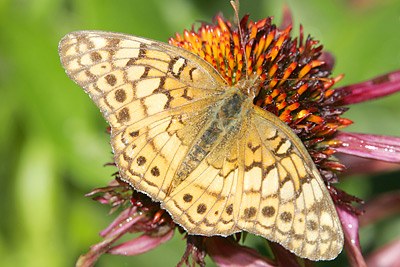
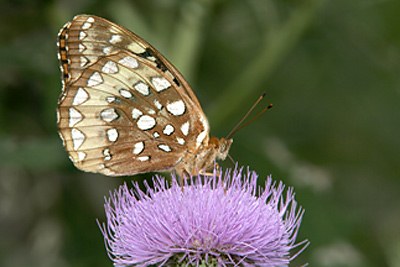
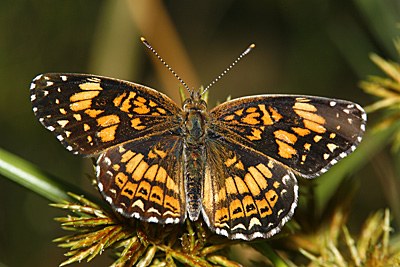
Northwest Oklahoma · Mixed-grass prairie, gypsum canyons, salt flats
Salt Plains National Wildlife Refuge
Rolling prairie and red-dirt canyon country, plus the bare salt flats of the Salt Plains.
Species you might see here
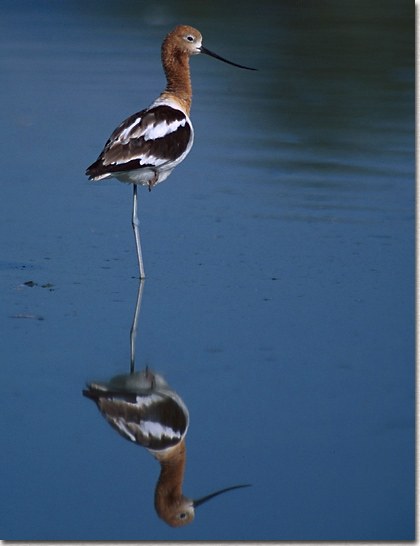
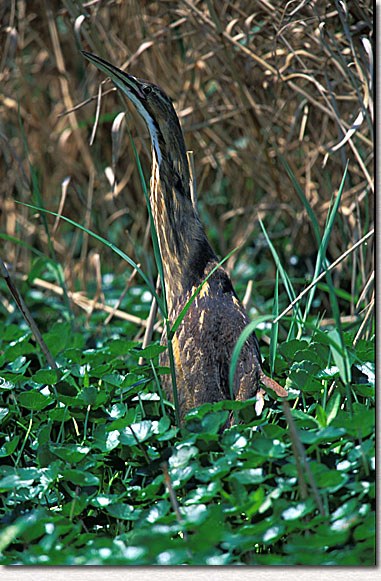
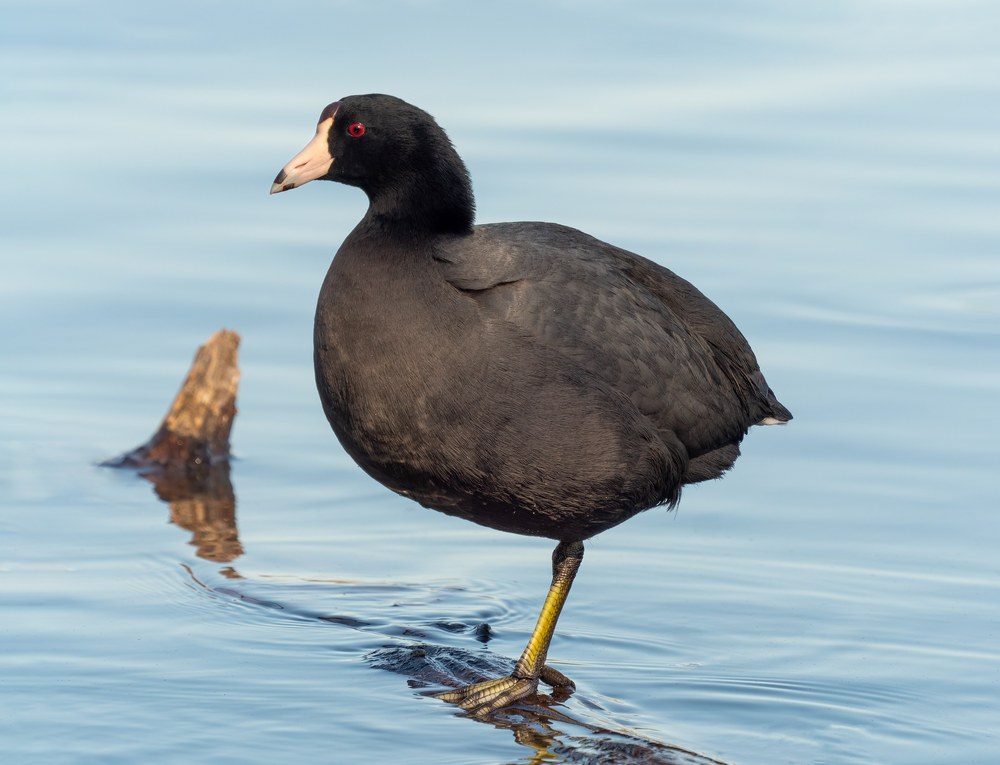
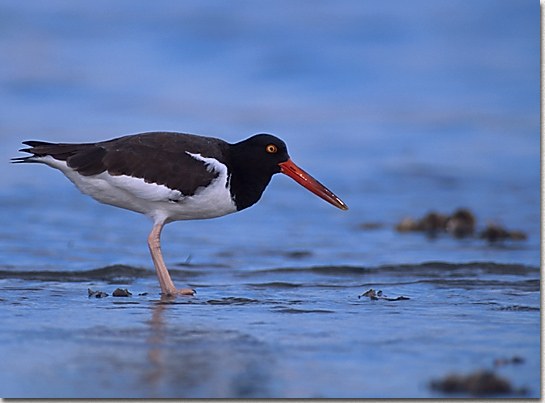
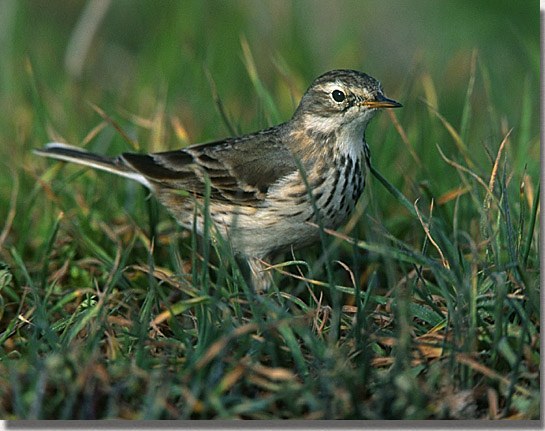
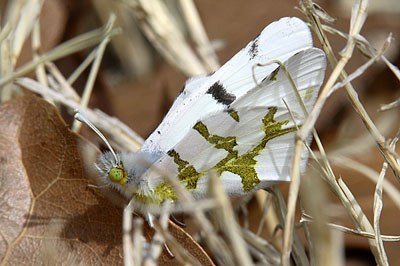
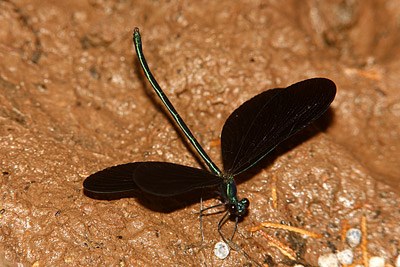
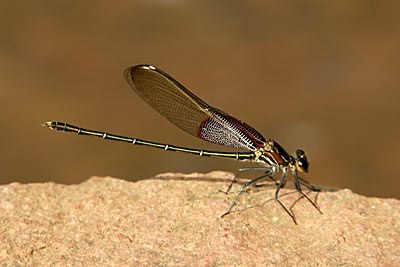
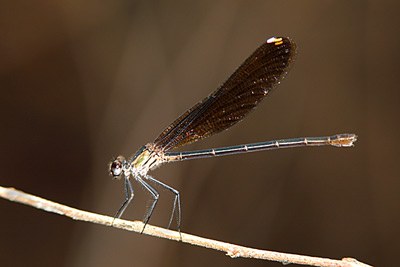
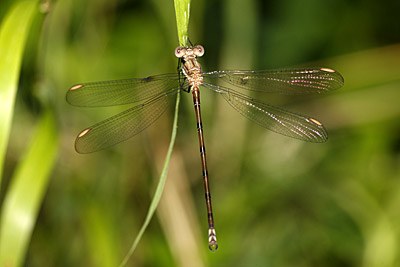
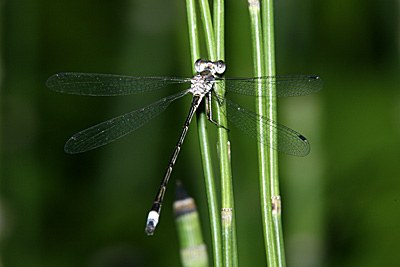
Northwest Oklahoma · Mixed-grass prairie, gypsum canyons, salt flats
Alabaster Caverns State Park
Rolling prairie and red-dirt canyon country, plus the bare salt flats of the Salt Plains.
Species you might see here
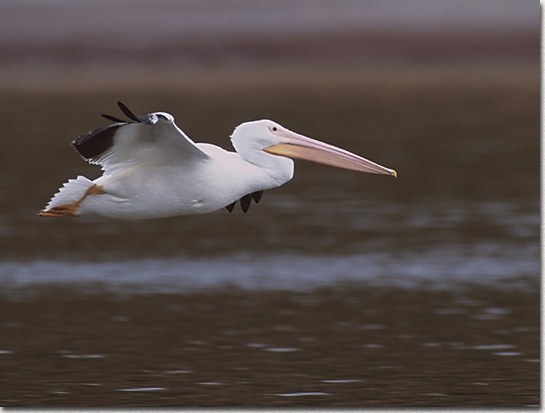
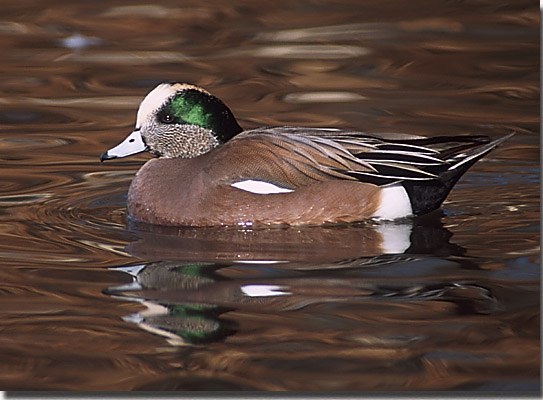
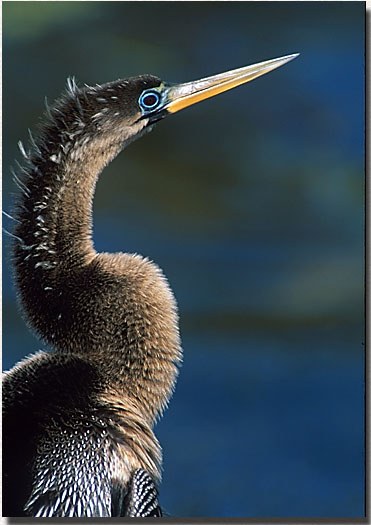
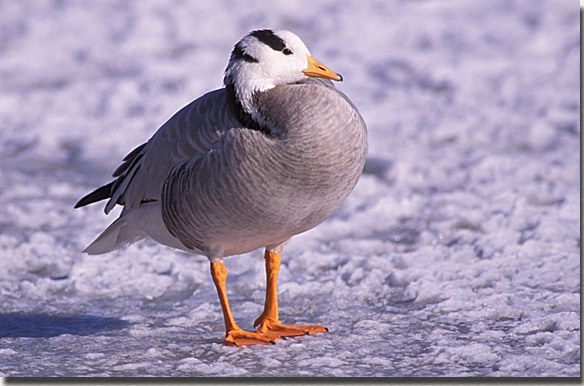
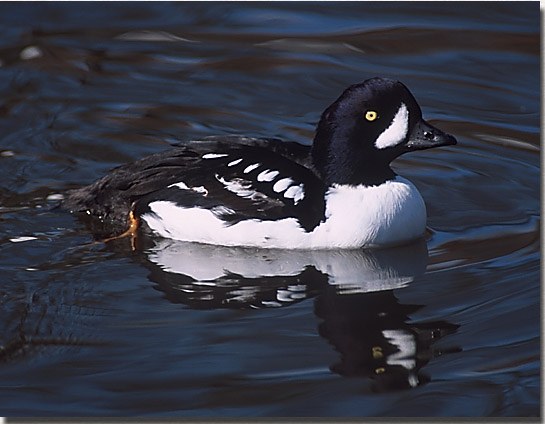
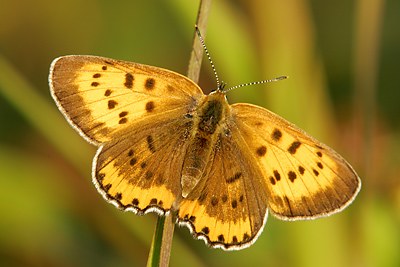
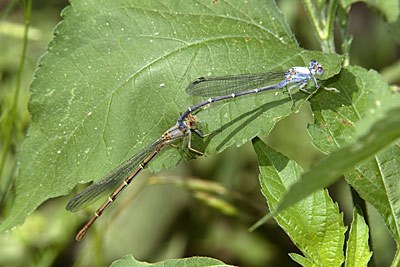
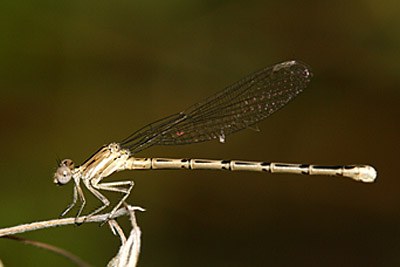
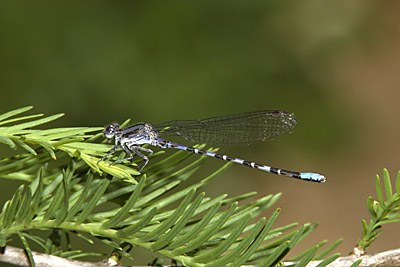
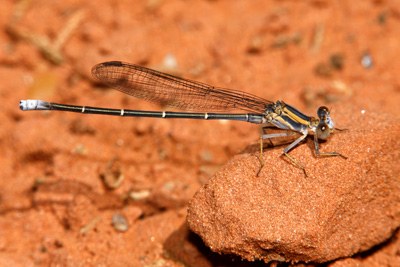
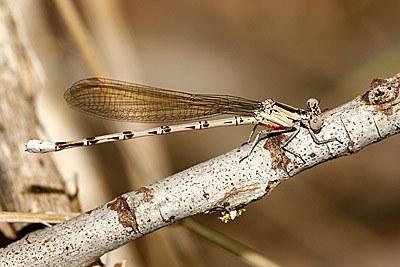
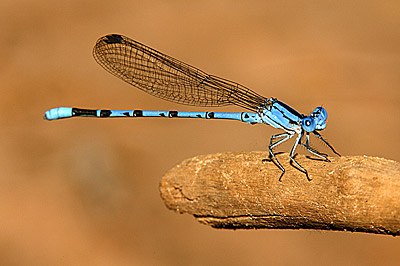
Northwest Oklahoma · Mixed-grass prairie, gypsum canyons, salt flats
Washita National Wildlife Refuge
Rolling prairie and red-dirt canyon country, plus the bare salt flats of the Salt Plains.
Species you might see here
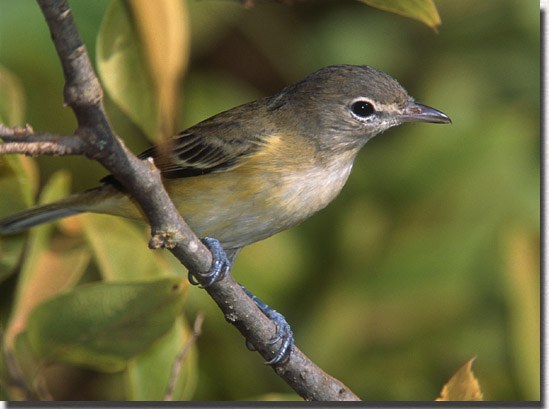
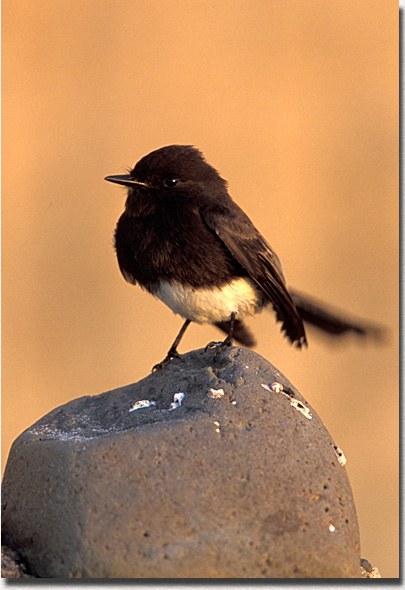
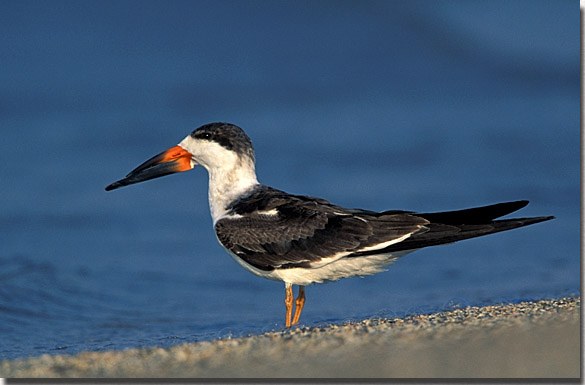
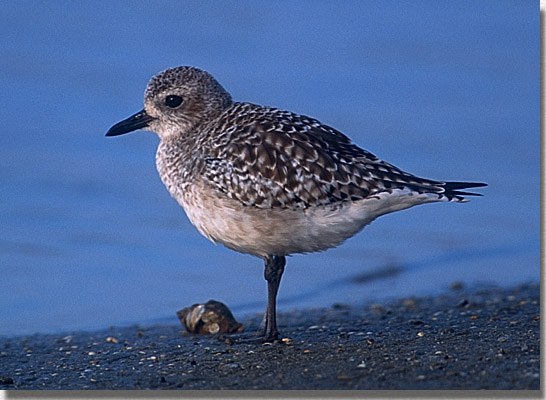
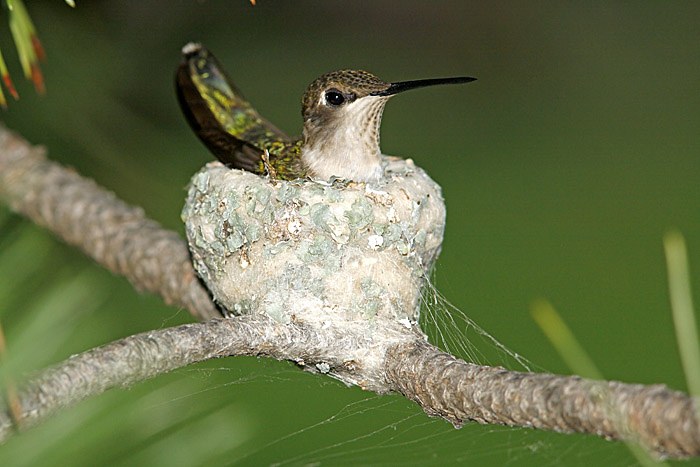
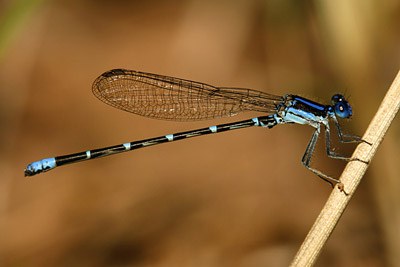
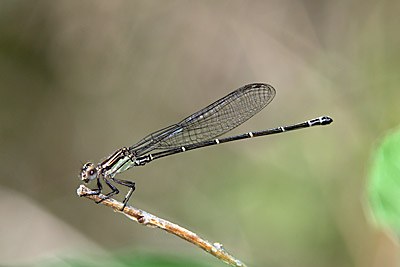
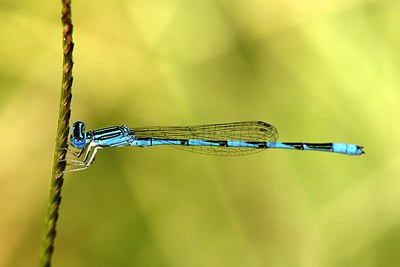
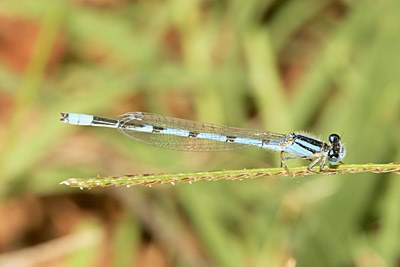
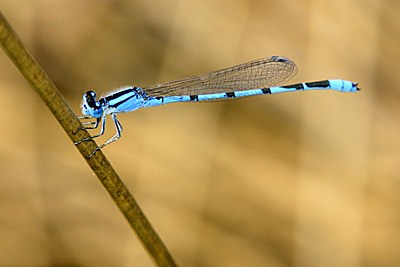
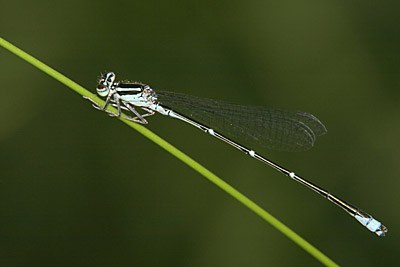
North Central Oklahoma · Tallgrass prairie
Tallgrass Prairie Preserve
One of the last large expanses of tallgrass prairie left in North America.
Species you might see here
North Central Oklahoma · Tallgrass prairie
Osage Hills State Park
One of the last large expanses of tallgrass prairie left in North America.
Species you might see here
North Central Oklahoma · Tallgrass prairie
Keystone Lake
One of the last large expanses of tallgrass prairie left in North America.
Species you might see here
Northeast Oklahoma · Oak-hickory forest and lakes
Tenkiller State Park
Wooded hills and reservoirs where the prairie gives way to the eastern forest belt.
Species you might see here
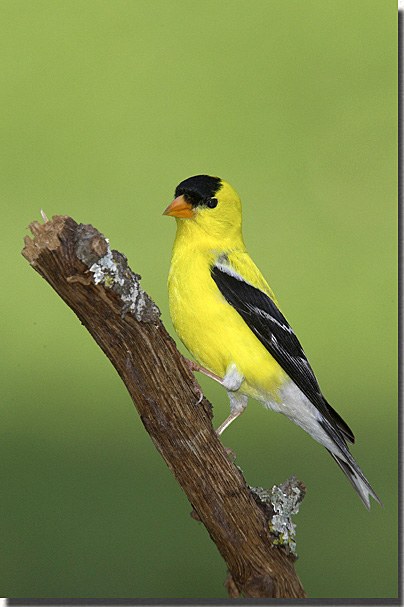
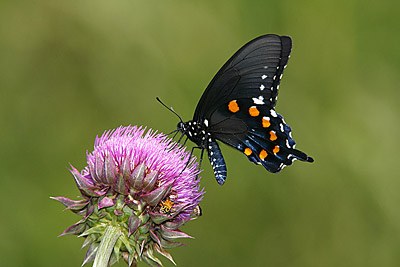
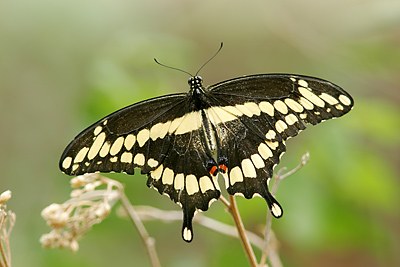
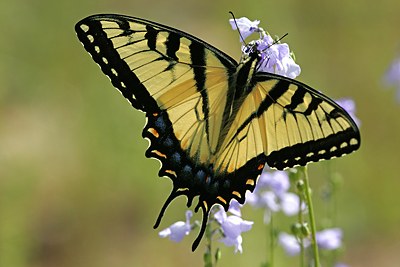
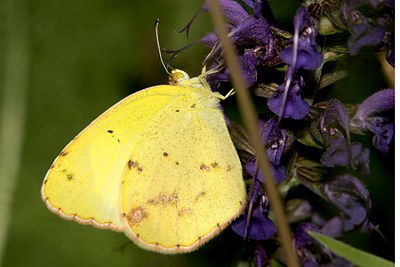
Northeast Oklahoma · Oak-hickory forest and lakes
Sequoyah National Wildlife Refuge
Wooded hills and reservoirs where the prairie gives way to the eastern forest belt.
Species you might see here
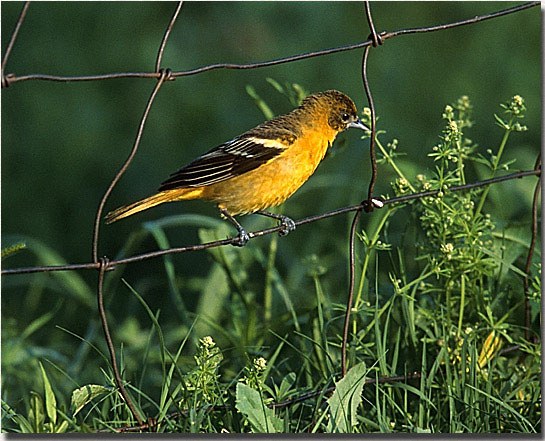
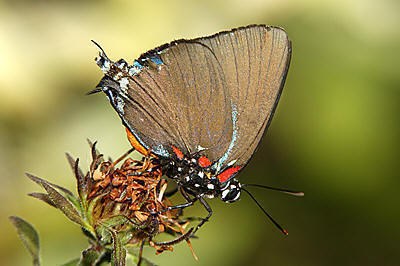
Northeast Oklahoma · Oak-hickory forest and lakes
Greenleaf State Park
Wooded hills and reservoirs where the prairie gives way to the eastern forest belt.
Species you might see here
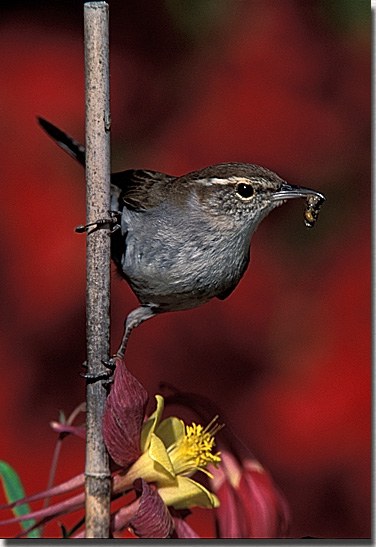
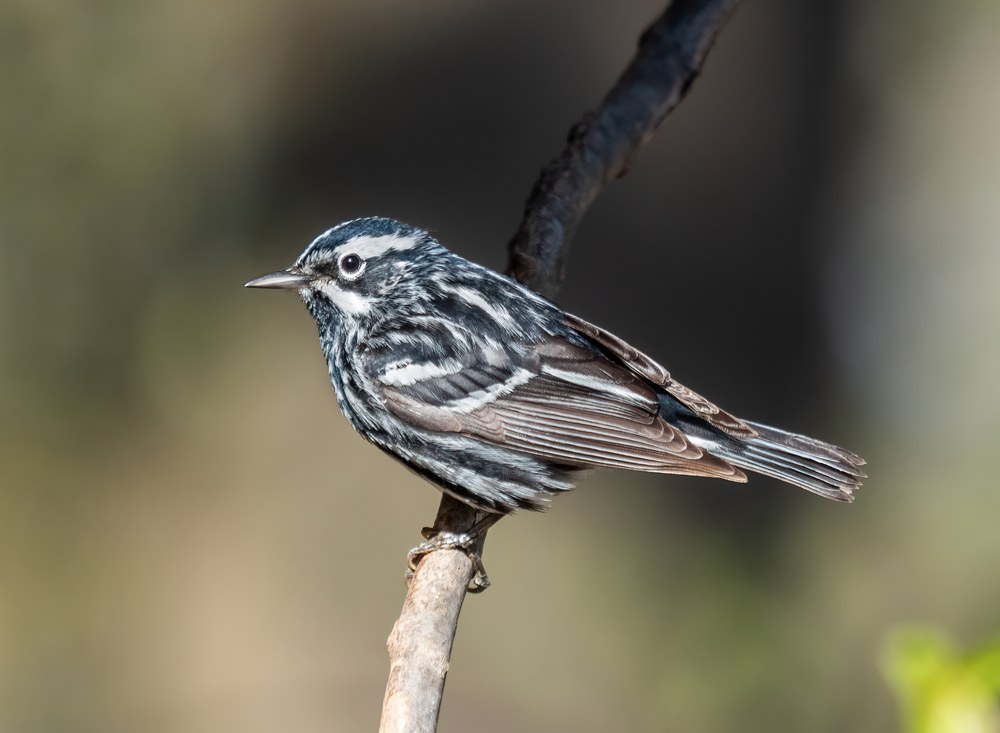
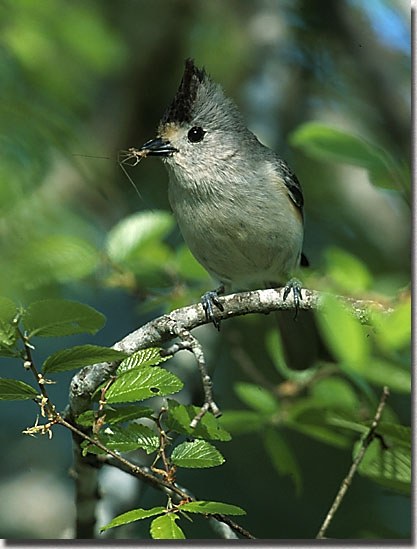
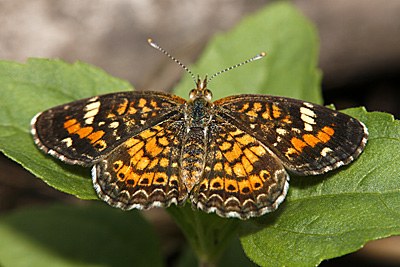
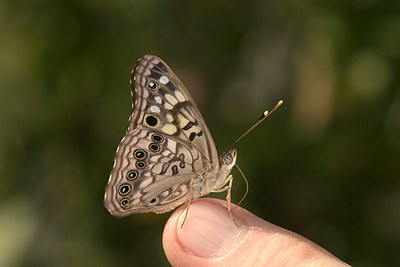
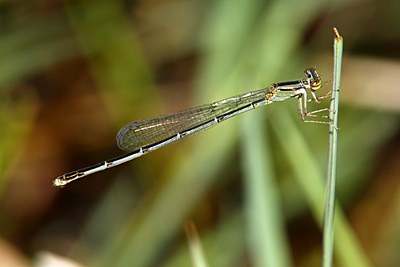
Central Oklahoma · Urban parks and riparian corridors
Martin Park Nature Center
The Oklahoma City metro area — city parks, urban lakes, and wooded creek corridors.
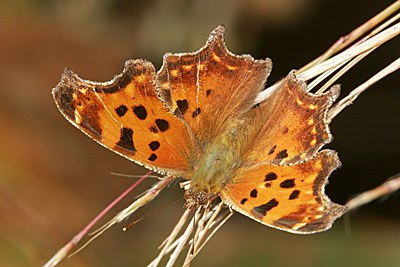
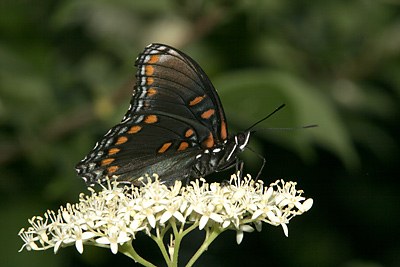
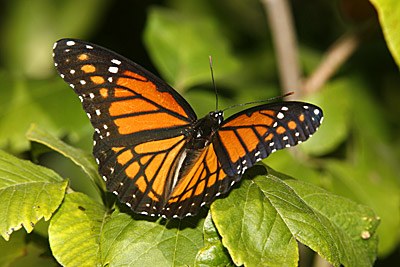
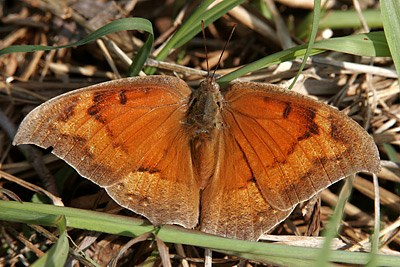
Species you might see here
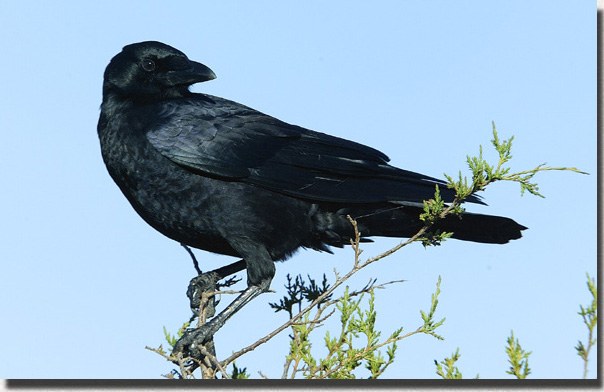
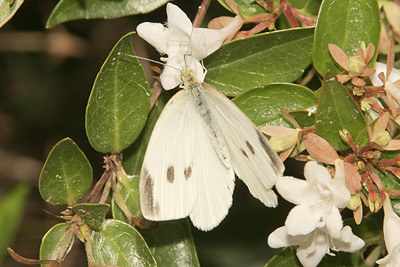
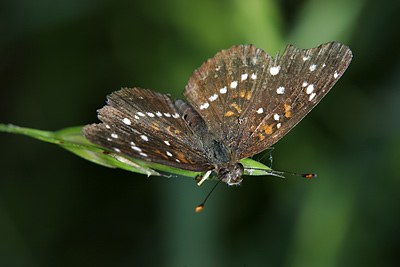
Central Oklahoma · Urban parks and riparian corridors
Arcadia Lake
The Oklahoma City metro area — city parks, urban lakes, and wooded creek corridors.
Species you might see here
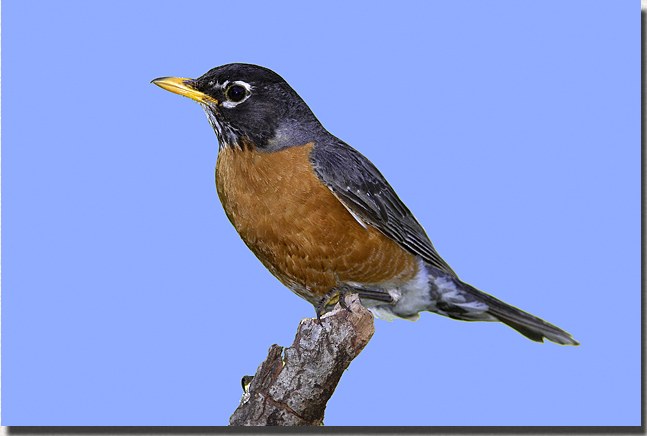
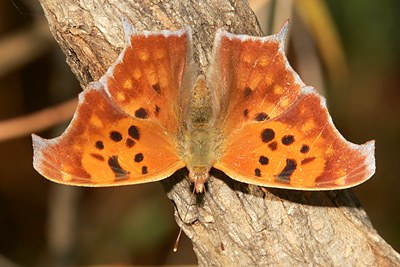
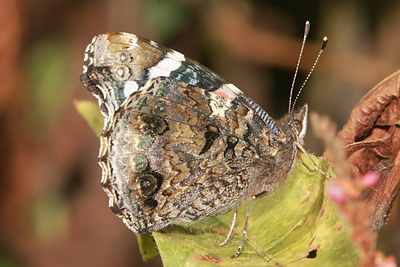
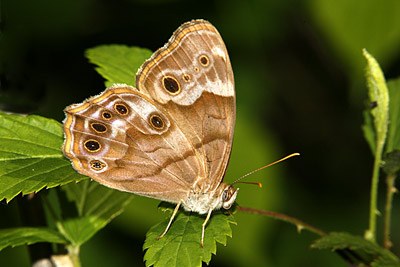
Central Oklahoma · Urban parks and riparian corridors
Lexington Wildlife Management Area
The Oklahoma City metro area — city parks, urban lakes, and wooded creek corridors.
Species you might see here
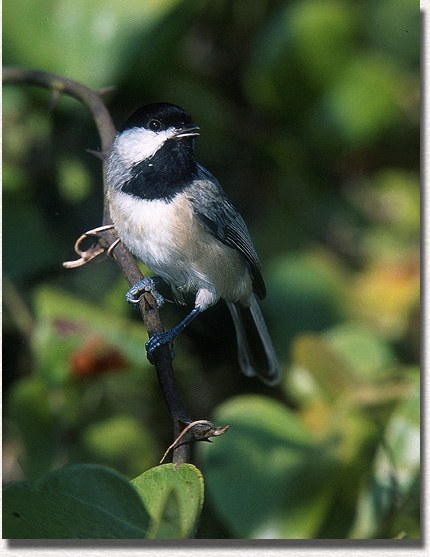
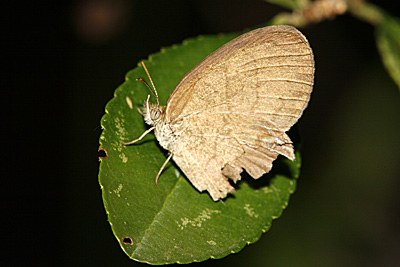
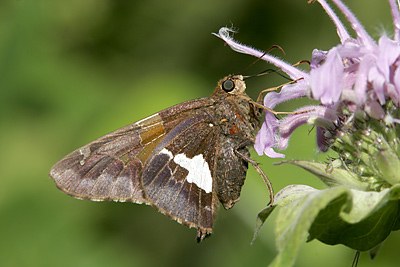
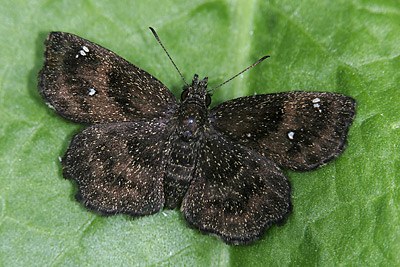
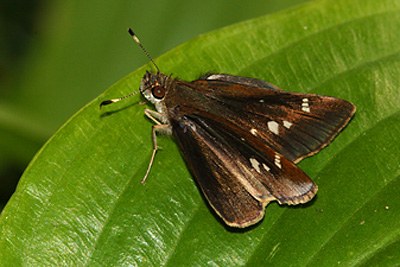
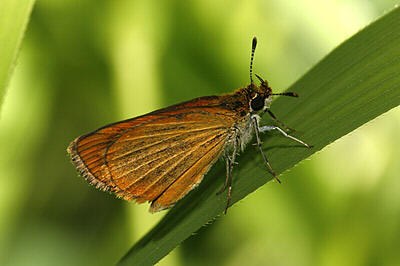
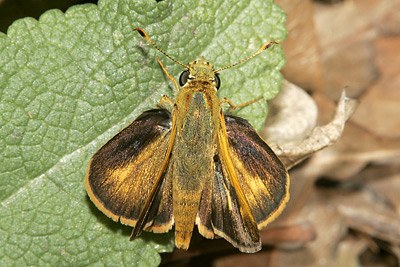
Southwest Oklahoma · Granite mountains and mixed prairie
Wichita Mountains National Wildlife Refuge
Ancient, low granite mountains rising out of the plains.
Species you might see here
Southwest Oklahoma · Granite mountains and mixed prairie
Quartz Mountain State Park
Ancient, low granite mountains rising out of the plains.
Species you might see here
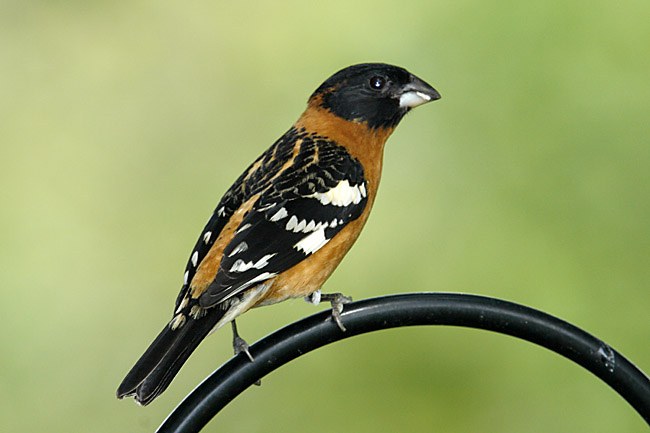
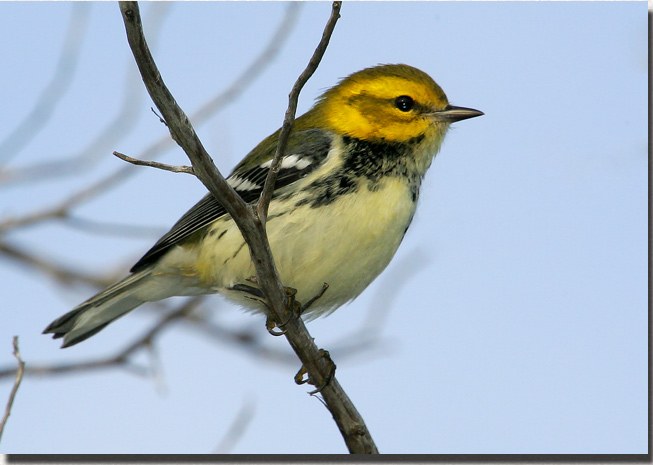
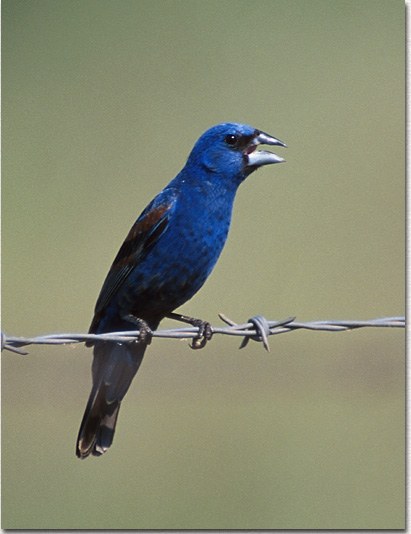
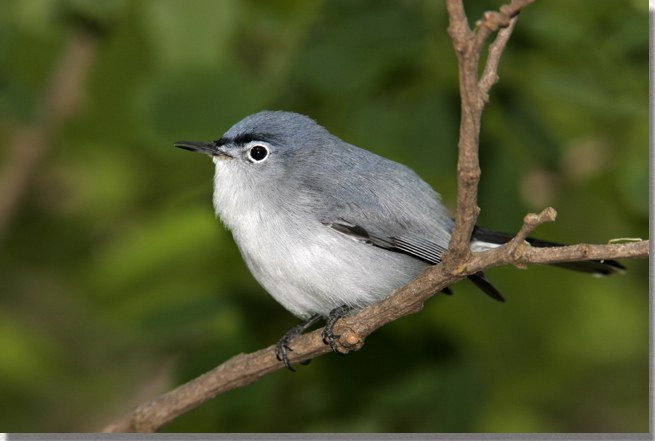
Southwest Oklahoma · Granite mountains and mixed prairie
Hackberry Flat Wildlife Management Area
Ancient, low granite mountains rising out of the plains.
Species you might see here
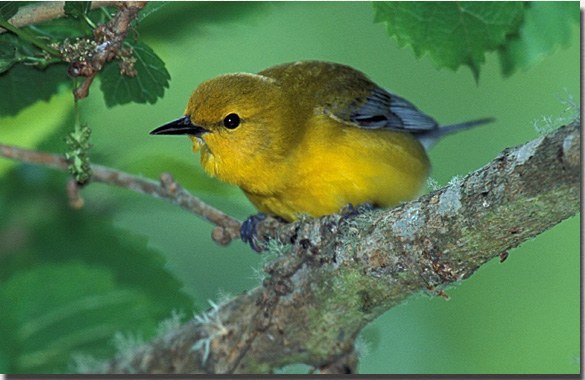
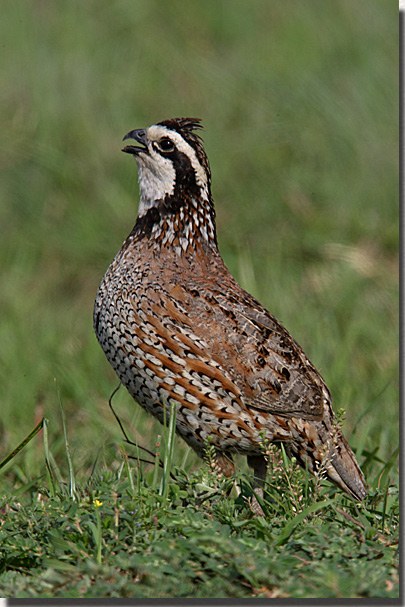
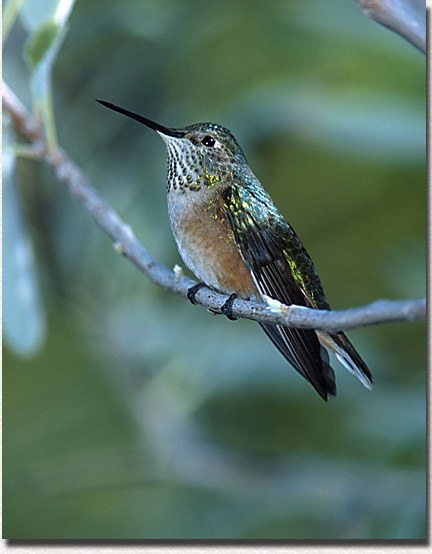
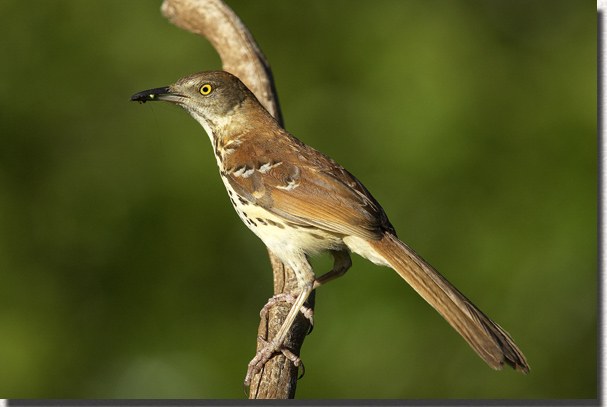
South Central Oklahoma · Spring-fed lakes and limestone hills
Chickasaw National Recreation Area
Clear spring-fed waters and limestone hill country along the Texas border.
Species you might see here
South Central Oklahoma · Spring-fed lakes and limestone hills
Lake Murray State Park
Clear spring-fed waters and limestone hill country along the Texas border.
Species you might see here
South Central Oklahoma · Spring-fed lakes and limestone hills
Tishomingo National Wildlife Refuge
Clear spring-fed waters and limestone hill country along the Texas border.
Species you might see here
Southeast Oklahoma · Pine-hardwood forest and wetlands
Beavers Bend State Park
Oklahoma's most heavily forested corner, with the state's best wetland birding at Red Slough.
Species you might see here
Southeast Oklahoma · Pine-hardwood forest and wetlands
Red Slough Wetland Preserve
Oklahoma's most heavily forested corner, with the state's best wetland birding at Red Slough.
Species you might see here
Southeast Oklahoma · Pine-hardwood forest and wetlands
Ouachita National Forest
Oklahoma's most heavily forested corner, with the state's best wetland birding at Red Slough.
Species you might see here
Base map: Blank map of Oklahoma, Kingofthedead / 25or6to4, Wikimedia Commons (CC BY-SA 3.0). Species shown are associated with each location's habitat type, not a confirmed sighting checklist for that specific site.
Every hotspot above sits inside one of four broad habitat types used throughout this site — forest, wetland, grassland, and urban/backyard — the same categories used to filter the species lists on the Birds, Butterflies, and Dragonflies & Damselflies pages. Knowing which type you're heading into narrows down what you're likely to see before you ever leave the driveway.
Forest cover thickens as you move east across the state, from scattered oak mottes in the Cross Timbers to the closed-canopy oak-hickory woods of the northeast and the pine-hardwood forest of the far southeast. Forest habitat favors species that need cover and vertical structure — woodpeckers, owls, and forest-interior songbirds among the birds, plus butterflies and dragonflies tied to shaded streams and woodland clearings.
Wetland habitat covers everything from the bare salt flats of the Panhandle to spring-fed lakes, reservoirs, and the cypress-lined sloughs of the southeast. It's the single most productive habitat type for sheer number of species, drawing in waterfowl, wading birds, and shorebirds on top of the water-dependent dragonflies and damselflies whose nymphs can't develop anywhere else.
Grassland — shortgrass plains in the Panhandle, mixed-grass prairie farther east, and one of the last large intact stretches of tallgrass prairie left in North America around Osage County — is Oklahoma's signature habitat and its most threatened, having lost most of its historic range to agriculture. It still supports prairie specialists found almost nowhere else on this list, from grassland sparrows to prairie-restricted butterflies.
Urban and backyard habitat is the most accessible of the four — city parks, suburban yards, and the wooded creek corridors threading through Oklahoma's towns. It's not a lesser habitat so much as a different one: generalist species that tolerate people well, plus a surprising number of migrants that stop over in city green space every spring and fall.
Common questions
Frequently asked questions
How do I use the interactive map?
Click any pin to jump straight to that hotspot's entry in the list below, or just scroll through the list directly — each entry shows the region, habitat type, and species associated with that location.
What do the four habitat types mean?
Forest, wetland, grassland, and urban/backyard are the same four categories used to filter species lists elsewhere on this site — each groups locations (and species) that share similar cover, water, and vegetation, regardless of which part of the state they're in.
Are the species shown for each hotspot a confirmed sighting list?
No — species are matched to a location by habitat type (a Tallgrass Prairie Preserve entry shows grassland species, for example), not from a confirmed checklist for that exact site. Think of it as what genuinely lives in that kind of habitat, not a guaranteed-seen list.
Which part of Oklahoma has the richest birding?
It depends what you're after — the tallgrass prairie of North Central Oklahoma and the granite mountains of the Southwest both hold specialists found nowhere else in the state, but the Southeast's mix of pine-hardwood forest and Red Slough's wetlands supports the most species overall.
Can I actually visit these locations?
Yes — every hotspot listed is a real, public state park, wildlife refuge, or management area. Hours, access points, and any entry requirements vary by site, so it's worth checking the specific park or refuge directly before a visit.