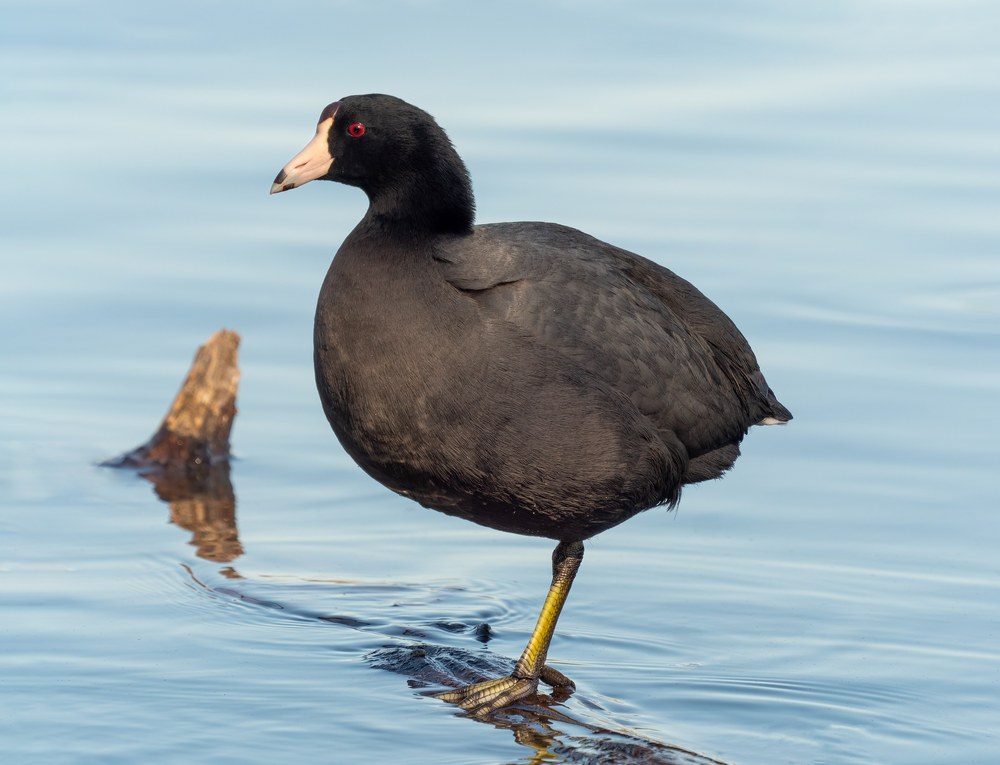
Common Tern
- Habitat
- Nests in large colonies on Atlantic coast sandspits and isolated islands; common at lakes, ponds, bays, beaches, coastal waters
- Size
- 13–16 in (wingspan not stated)
- Lifespan
- Averages roughly 9-10 years in the wild; the oldest banded bird lived almost 29 years.
- Diet
- Fish (90% of diet), crustaceans, occasionally insects
About the Common Tern
In breeding plumage, the Common Tern is a slim, graceful white seabird with a crisp black cap, pale gray back and wings, a deeply forked "swallow-tail," and a red bill tipped in black. At 13 to 16 inches, it has the classic buoyant, almost effortless flight silhouette that gives the whole family its reputation for aerial elegance, with narrow pointed wings and frequent hovering before a plunge-dive.
Common Terns nest in dense colonies on Atlantic coast sandspits and isolated, predator-free islands, a strategy that offers safety in numbers against ground predators. Outside the immediate nesting colonies, the species is a familiar sight on lakes, ponds, bays, beaches, and open coastal waters, foraging over open water often well away from where it breeds.
Fish make up about 90 percent of the diet, hunted with the classic tern technique of hovering above the water before plunging in a rapid dive, sometimes fully submerging to seize prey near the surface; crustaceans and, less often, insects round out the remainder. This heavy reliance on fish ties the tern's breeding success closely to local fish abundance, and poor fish years can significantly affect colony productivity.
Nesting takes place on the open ground in a shallow depression scraped into sand, typically holding two to three olive-colored, heavily spotted eggs that blend remarkably well with the surrounding beach or shell debris. Common Terns defend their nests aggressively, diving repeatedly at intruders, including people who wander too close to a colony, and have a memorably unpleasant habit of defecating at the exact low point of that dive, an effective, if undignified, deterrent. Individuals can be quite long-lived for a mid-sized seabird, averaging 9 to 10 years, with the oldest banded bird on record reaching an extraordinary 29 years. Both parents share incubation duties and take turns bringing fish back to the nest, and chicks leave the scrape within days of hatching to hide nearby in vegetation or debris, though they remain dependent on the adults for food until they can fly at around three to four weeks old. After breeding, Common Terns undertake long-distance migrations, with many populations traveling all the way to wintering grounds along the coasts of Central and South America, making this comparatively small seabird one of the more far-ranging travelers among the terns regularly seen in North America.
Frequently asked questions
How does the Common Tern catch fish?
It hovers above the water and then plunges in a rapid dive, sometimes submerging fully to seize prey near the surface.
Where does the Common Tern build its nest?
In a shallow scrape on the open ground, usually on a sandspit or isolated island, holding two to three camouflaged eggs.
How aggressively does the Common Tern defend its nest?
Very — it dives repeatedly at intruders near the colony and often defecates on them during the dive as an added deterrent.
How long can a Common Tern live?
It typically lives 9 to 10 years in the wild, though the oldest banded individual on record reached about 29 years.
Where to find it
This species favors wetland habitat. See real Oklahoma locations on the Habitats map.