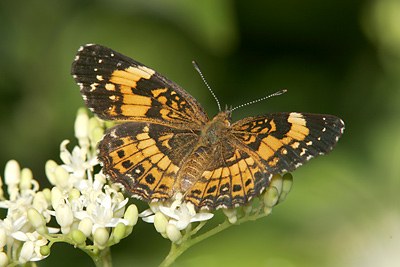
Silvery Checkerspot
- Habitat
- Moist, somewhat open: streamsides, meadows, forest openings
- Size
- 1⅜–2 in (3.5–5.1 cm)
- Lifespan
- Adults typically live around two weeks, consistent with related checkerspot species.
- Diet
- Caterpillar: composites — black-eyed susan, sunflowers, wingstem. Adult: red clover, common milkweed, dogbane
About the Silvery Checkerspot
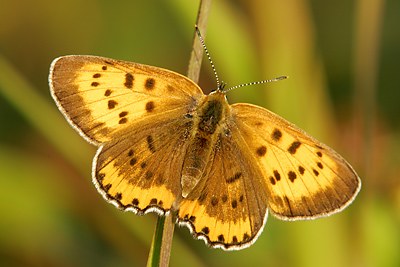
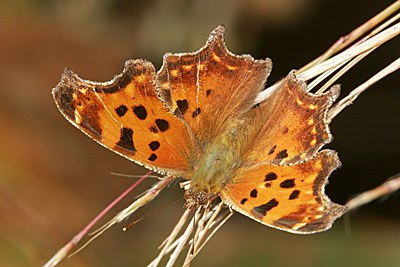
The Silvery Checkerspot (Chlosyne nycteis) is a medium-sized nymphalid butterfly spanning 1⅜ to 2 inches (3.5–5.1 cm) across the wings. Its upper surface is a mosaic of orange-brown and black in the checkered pattern typical of its group, but the most reliable field mark lies on the underside of the hindwing: a band of pale, silvery-white crescents running along the outer margin, which gives the butterfly its common name. The wings are more rounded than angular, and the muted coloring helps the butterfly blend into the dappled light of partly shaded habitat.
Silvery Checkerspots favor moist, somewhat open terrain — streamsides, damp meadows, and clearings within forests, where sunlight reaches the ground but tree cover is never far away. Caterpillars feed exclusively on composites, particularly black-eyed susan, sunflowers, and wingstem, chewing on the coarse foliage of these common wildflowers. Adults are less picky about their own meals, visiting red clover, common milkweed, and dogbane for nectar throughout the day.
Courtship follows a predictable rhythm: males spend their days perched on low vegetation or patrolling open ground in search of receptive females, rather than actively searching over long distances. After mating, a female lays her eggs in batches of roughly 100 on the undersides of host-plant leaves, and the caterpillars that emerge remain gregarious for much of their early development, feeding shoulder to shoulder and skeletonizing leaves — stripping away the soft tissue and leaving the network of veins behind. Rather than racing to complete growth before winter, part of the brood pauses while only partly grown, sheltering through the cold months to resume feeding the following spring.
Adult Silvery Checkerspots are relatively short-lived, typically surviving only about two weeks on the wing, a lifespan consistent with other checkerspot species. In that brief window they must find mates, feed enough to sustain egg production, and — for females — locate the right composite plants for laying. It's a fast, compressed life cycle built around a narrow but reliable set of moist, sunlit habitats scattered across their range.
This species ranges across much of the eastern and central United States and into southern Canada, generally scarce or absent from the driest western regions. Where suitable moist meadow and streamside habitat persists, it can produce more than one generation in a season, with a partial second brood appearing in the southern portion of its range during favorable summers.
Frequently asked questions
How did the Silvery Checkerspot get its name?
It comes from the band of pale, silvery-white markings on the underside of the hindwing, which stands out against the orange-and-black checkered pattern on top.
Where is the best place to look for one?
Search moist, semi-open habitats such as streamsides, damp meadows, and forest clearings, where the caterpillar's host plants and adult nectar sources both grow.
What do the caterpillars eat?
They feed on composite-family plants, especially black-eyed susan, sunflowers, and wingstem, and often feed in groups when young.
How does the species survive winter?
Caterpillars overwinter while still only partly grown, sheltering through the cold months before resuming feeding in spring.
Where to find it
This species favors wetland habitat. See real Oklahoma locations on the Habitats map.