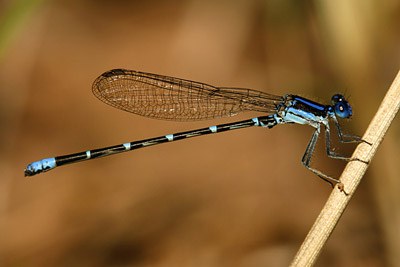
Blue-ringed Dancer
Argia sedula
- Habitat
- Slower stretches of streams and rivers with moderate current
- Size
- About 1.0 to 1.2 inches (25-30 mm) long, a relatively small dancer
- Lifespan
- Not well documented for this species specifically; dancers generally fly for a few weeks as adults
- Diet
- Adults prey on small flying insects; nymphs feed on aquatic invertebrates
About the Blue-ringed Dancer
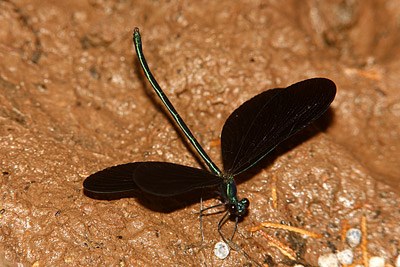
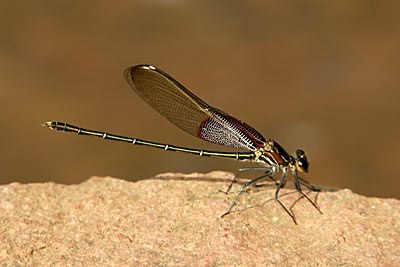
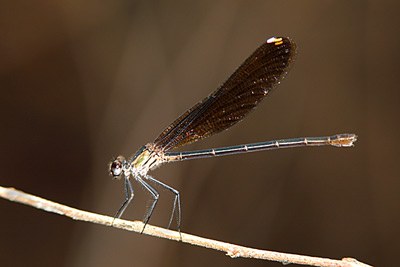
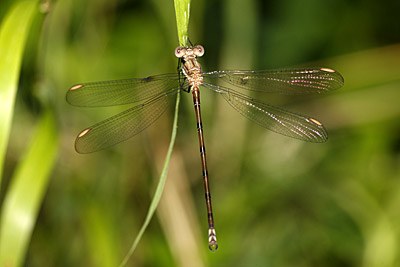
Blue-ringed Dancer is a small, slender damselfly whose name describes its most useful identification feature: mature males show blue coloration broken by distinct dark rings around each abdominal segment, giving the abdomen a banded, ringed appearance rather than the more solid blue-and-black pattern seen in some related dancers. This ringed pattern, combined with its comparatively small size, helps separate it from bulkier species like the Powdered Dancer once observers get a good look.
This species favors streams and rivers with slower, more moderate current rather than fast riffles, often along stretches with a mix of sun and partial shade. It is generally found perched low, close to the water's surface, on rocks, low vegetation, or exposed roots and debris along the bank.
Like other dancers, Blue-ringed Dancer hunts by making brief sallying flights from its perch to capture small flying insects such as gnats and midges, then returning to rest nearby. Its small size and close association with the water's edge mean it is often overlooked in favor of larger, more conspicuous damselflies and dragonflies sharing the same stream, even where it may be quite common.
Reproduction follows the pattern typical of Argia, with males and females pairing in tandem and the male frequently remaining attached while the female lays eggs into underwater plant tissue or other submerged material. The nymphs that result live within the stream, sheltering among vegetation, debris, and sediment while preying on smaller aquatic invertebrates as they develop through a series of molts before eventually crawling out of the water to complete their transformation into winged adults. Because it tolerates a fairly wide range of slow-to-moderate stream conditions, Blue-ringed Dancer is one of the more regularly encountered small dancers along Oklahoma's rivers and streams for anyone who takes the time to look closely at the smaller damselflies perched near the water. As with other dancers, mated pairs remain in tandem through egg-laying, the male continuing to grip the female to guard against competition from other males until she has finished depositing her eggs into submerged plant tissue near the bank. Its tolerance of a fairly broad range of slow-to-moderate stream conditions means it can turn up on the same stretch of water as several other Argia species, rewarding a closer look at every small blue damselfly along a riverbank.
Frequently asked questions
What does the Blue-ringed Dancer's name refer to?
Mature males show blue abdominal segments broken by distinct dark rings, giving the abdomen a banded look rather than a solid pattern.
Is the Blue-ringed Dancer a large damselfly?
No, it is one of the smaller dancers in Oklahoma, which can make it easy to overlook next to larger species.
What kind of stream habitat does it prefer?
It favors slower to moderate current stretches of streams and rivers rather than fast riffles.
What do Blue-ringed Dancers eat as adults?
They catch small flying insects such as gnats and midges in short flights from a low perch near the water.
Where to find it
This species favors wetland habitat. See real Oklahoma locations on the Habitats map.