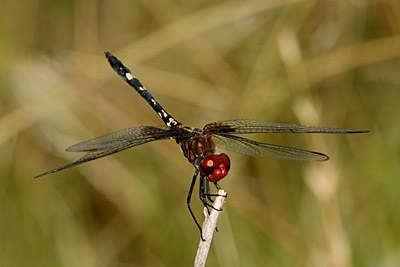
Checkered Setwing
Dythemis fugax
- Habitat
- Ponds and pools across the southern Great Plains, including Oklahoma and Texas.
- Size
- A medium-sized skimmer, generally in the range of about 1.5 to 1.7 inches, though an exact species-specific figure was not confidently confirmed.
- Lifespan
- Not specifically documented; likely a few weeks as an adult, consistent with related setwing skimmers.
- Diet
- Adults catch flying insects while hovering over open water; nymphs prey on aquatic invertebrates in pond and pool sediment.
About the Checkered Setwing
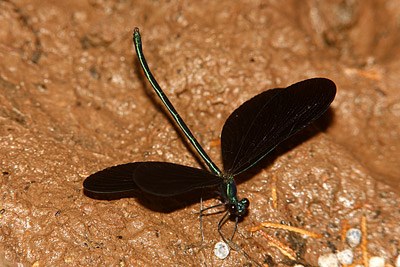
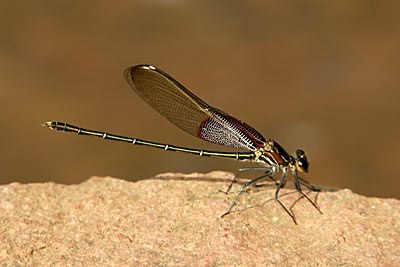
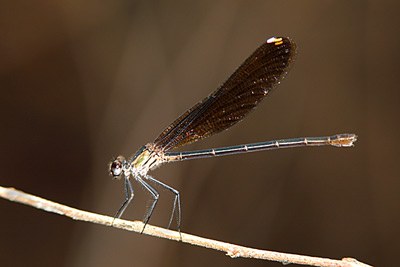
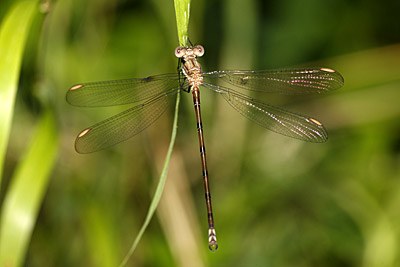
The Checkered Setwing shows a reddish-brown, black, and white pattern accented by dark brown patches and dark veining on the wings, a combination that gives it a distinctly patchwork or checkered look up close. Males have red faces and eyes set above red-and-gray coloring, with a red-brown thorax marked by black patterning and pale gray lower sides; the abdomen is black with beige streaks near the base and a pair of longer pale spots on the seventh segment. Females look quite different, with a tan face, red eyes over blue-gray coloring, a thorax patterned with many brown stripes, and an abdomen that is black with white markings at the base of segments two through seven and solid black at the very tip.
This species is characteristic of the southern Great Plains, occurring in Oklahoma and Texas and reaching into Central America, though it has been recorded only rarely farther north, including a single Nebraska record. Its habitat centers on ponds and pools rather than larger rivers.
Males are typically found perched along the shoreline on twigs, from which they periodically fly out to hover and patrol back and forth over small pools, a behavior that helps them both hunt flying insects and monitor territory for rival males or receptive females. This mix of perching and active hovering flight is fairly characteristic of setwing skimmers as a group.
Breeding follows the general skimmer pattern, with females laying eggs into open pool water and the resulting nymphs developing among sediment and debris on the pond bottom, preying on other small aquatic invertebrates through an extended larval stage before emerging as adults. The species carries a secure conservation status, and its strong association with the southern Great Plains makes it a distinctly regional dragonfly, one that Oklahoma sits well within the core range of rather than at the margins. Because its range is centered so specifically on the southern Great Plains, the Checkered Setwing is a good example of a dragonfly whose presence helps define this region's distinct odonate fauna rather than one found broadly across the eastern United States. Watching a shoreline twig perch patiently often rewards an observer with repeated hovering flights as the male patrols the same stretch of pool again and again.
Frequently asked questions
What gives the Checkered Setwing its name?
Its reddish-brown, black, and white patchwork coloring, especially the patterned combination on the wings and body.
Where is this species mainly found?
The southern Great Plains, including Oklahoma and Texas, with only rare records farther north.
What kind of water does it prefer?
Ponds and small pools rather than large rivers.
How do males typically behave near the water?
They perch on shoreline twigs and periodically fly out to hover and patrol back and forth over the pool.
Where to find it
This species favors wetland habitat. See real Oklahoma locations on the Habitats map.