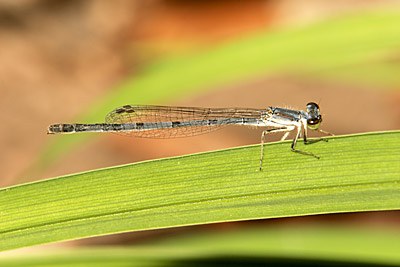
Eastern Forktail
Ischnura verticalis
- Habitat
- Ponds, marshes, and slow streams, including small and somewhat disturbed water bodies
- Size
- About 0.9 to 1.1 inches (22-29 mm) long
- Lifespan
- Not well documented for this species specifically; small forktails generally fly for a few weeks as adults
- Diet
- Adults catch small flying insects; nymphs feed on aquatic invertebrates
About the Eastern Forktail
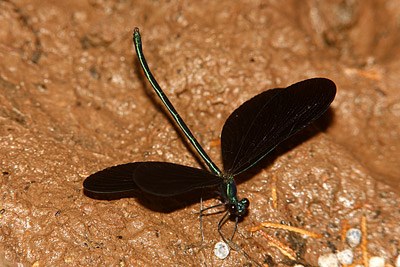
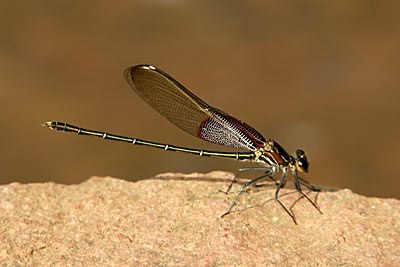
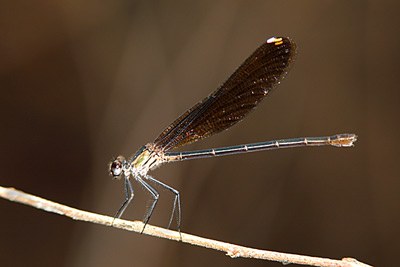
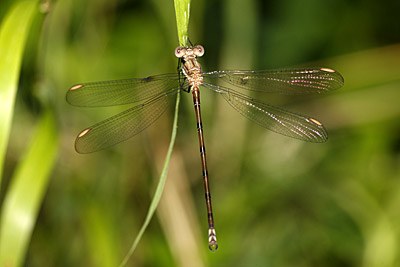
Eastern Forktail is one of the most common and widely encountered small damselflies across the eastern and central United States, including Oklahoma, and is often among the first damselflies a beginning observer learns to recognize simply because of how frequently it turns up at ordinary ponds and slow streams. Its adaptability to a wide range of still and slow-moving water, including small and somewhat disturbed sites, helps explain its abundance.
Mature males have a green thorax with black markings and a mostly black abdomen tipped in blue, a combination that, along with their small size, places them firmly within the forktail genus Ischnura. Females show more variation, including forms that resemble males as well as duller, more orange-toned young females that change color as they age, a pattern of female color variation shared with several other Ischnura species.
Adults are typically found perched on low vegetation at the edges of ponds, marshes, and slow streams, from where they make short flights to catch small flying insects such as gnats and midges before returning to rest nearby. Because of their small size and close association with vegetation right at the waterline, they are easy to overlook individually, but their overall abundance at suitable habitat makes them one of the more reliably seen damselflies through much of the warmer months.
Breeding follows the typical tandem-pair pattern of forktails, with females laying eggs into submerged or emergent plant tissue near the water's edge. Nymphs develop among aquatic vegetation and debris, feeding on small aquatic invertebrates as they grow through a series of molts before eventually emerging as flying adults, often producing multiple generations across a long warm season in southern parts of their range. Given how common and tolerant of varied habitat this species is, Eastern Forktail is one of the most dependable damselflies to find at almost any pond or slow stream in Oklahoma throughout the summer. Because it is so tolerant of varied conditions and so widely distributed, Eastern Forktail is a good species for beginning observers in Oklahoma to learn first, since finding and confirming it at almost any pond builds confidence before tackling the more subtly patterned dancers and bluets sharing the same habitat.
Frequently asked questions
Why is the Eastern Forktail considered common?
It tolerates a very wide range of still and slow-moving water, including small and somewhat disturbed sites, which helps it turn up at ordinary ponds and streams throughout its range.
How can you recognize a male Eastern Forktail?
Look for a green thorax with black markings and a mostly black abdomen tipped in blue.
Do female Eastern Forktails all look alike?
No, females show color variation, including forms that resemble males as well as duller, more orange-toned young females that change color with age.
What do Eastern Forktails eat?
Adults catch small flying insects like gnats and midges near ponds and slow streams, while nymphs feed on aquatic invertebrates.
Where to find it
This species favors wetland habitat. See real Oklahoma locations on the Habitats map.