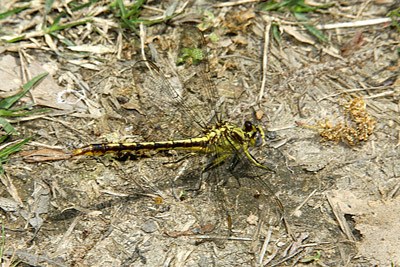
Oklahoma Clubtail
Gomphus oklahomensis
- Habitat
- Sandy-bottomed rivers within a narrow four-state range spanning the Gulf coast of eastern Texas and western Louisiana north through central Arkansas and eastern Oklahoma.
- Size
- About 2 inches (roughly 50 mm) long, typical for its genus.
- Lifespan
- Not specifically documented; adults are on the wing for a brief spring window rather than an extended flight season.
- Diet
- Adults catch flying insects near the water; nymphs prey on aquatic invertebrates while burrowed in sandy river substrate.
About the Oklahoma Clubtail
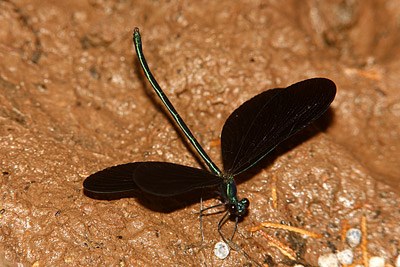
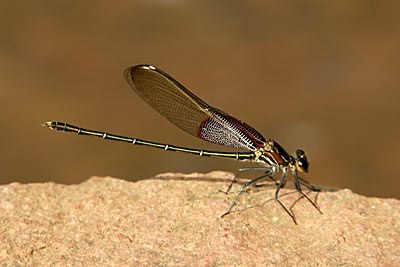
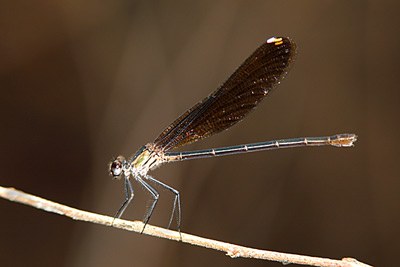
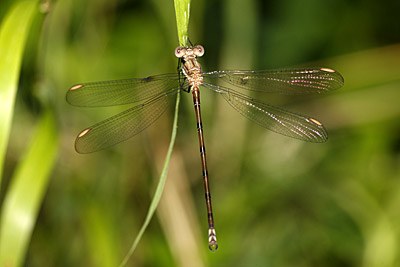
The Oklahoma Clubtail carries the name of the state where it was first described and remains closely tied to it, since the species is known from only four states in total. It shows the general look shared by many clubtails in its former Gomphus grouping (now largely reclassified as Phanogomphus): a pale green to yellow body marked with black thoracic stripes and a moderately clubbed abdomen tip, distinguishing it from unrelated dragonflies but requiring careful comparison with other regional clubtails to separate from close relatives.
Its entire known range runs from the Gulf coast of eastern Texas and western Louisiana north through central Arkansas and into eastern Oklahoma, making it one of the more range-restricted dragonflies likely to be seen in the state. Within Oklahoma, it is locally fairly common in the east-central and southeastern regions, but only during a short spring window, generally from mid-April through May.
Because of this narrow global range, the Oklahoma Department of Wildlife Conservation has classified the Oklahoma Clubtail as a Tier II species of greatest conservation need, a designation reflecting how much of its total population depends on a relatively small area of suitable sandy river habitat. Adults hunt flying insects near breeding streams in typical clubtail fashion, perching on the ground or low vegetation between flights.
Breeding follows the pattern common to sand-loving clubtails: eggs are laid into flowing water, and nymphs burrow into the sandy streambed, where they spend an extended larval period before emerging as adults right around the same narrow spring window each year. Its conservation status makes the Oklahoma Clubtail one of the more noteworthy entries on any Oklahoma dragonfly list, since protecting its sandy river habitat matters disproportionately for the survival of the species as a whole. Its short, tightly timed spring emergence means a single unusually cold or dry April can noticeably affect how many adults are seen that year, adding to the vulnerability already implied by its small overall range. Anyone hoping to document the species well should plan a visit to a known eastern Oklahoma river site specifically during its narrow mid-April-to-May window rather than later in summer.
Frequently asked questions
Why does the Oklahoma Clubtail have special conservation attention?
It is known from only four states, so Oklahoma classifies it as a species of greatest conservation need due to its small global range.
When is the best time to see an Oklahoma Clubtail in the state?
Its flight season is brief, running from about mid-April through May, mainly in east-central and southeastern Oklahoma.
What is its full geographic range?
It occurs from the Gulf coast of eastern Texas and western Louisiana north through central Arkansas and into eastern Oklahoma.
What habitat does it need to breed?
Sandy-bottomed rivers, where its nymphs burrow into the streambed.
Where to find it
This species favors wetland habitat. See real Oklahoma locations on the Habitats map.