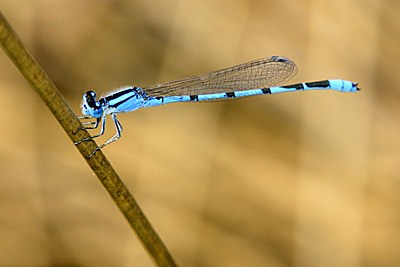
Turquoise Bluet
Enallagma divagans
- Habitat
- Wooded, spring-fed streams and shaded creeks
- Size
- About 1.1 to 1.3 inches (28-33 mm) long
- Lifespan
- Not well documented for this species specifically; bluets generally fly for a few weeks as adults
- Diet
- Adults catch small flying insects near the water; nymphs feed on aquatic invertebrates
About the Turquoise Bluet
Turquoise Bluet is somewhat unusual among Enallagma bluets in leaning toward shadier, more wooded stream habitats rather than the open ponds and lakes favored by many of its relatives. It is typically found along spring-fed creeks and streams running through wooded areas, where dappled light and cooler, more stable water temperatures set it apart from sun-loving species like the Familiar Bluet, and its habitat preference overlaps to some degree with that of the Springwater Dancer, another spring-associated species found in similar stream settings.
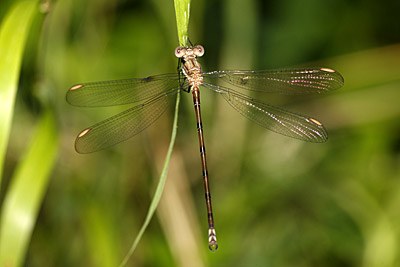
Mature males show a distinctive turquoise-blue coloration on the thorax, brighter and more saturated in tone than the coloring of some other bluets, paired with the typical banded blue-and-black abdomen pattern found across the genus. This coloring, combined with its shaded stream habitat, can help separate it from bluets more commonly found in open, sunny ponds, though close inspection of the male's abdominal appendages remains the most reliable way to confirm identification within this large and visually similar genus.
Adults perch on streamside vegetation, often in partial shade, making short flights to capture small flying insects such as midges and gnats before returning to rest. Because it favors flowing, spring-influenced water rather than still ponds, Turquoise Bluet is somewhat less likely to be found in large aggregations than pond-dwelling bluets, and is instead spread out along suitable stream reaches, with individuals often more widely spaced than at a productive pond shoreline.
Breeding follows the typical bluet pattern, with tandem pairs mating and females laying eggs into submerged plant material at the stream's edge, the male typically remaining attached to guard against rival males while she oviposits. Nymphs develop in the flowing water, sheltering among vegetation, roots, and debris while preying on small aquatic invertebrates as they grow through a series of molts, likely benefiting from the more stable temperatures that shaded, spring-fed streams provide compared to open, sun-exposed water.
Because wooded, spring-fed streams are a somewhat more specialized habitat than the ordinary ponds most bluets use, Turquoise Bluet can be a useful indicator of healthy, shaded stream systems, and its presence suggests reasonably intact streamside forest and consistent water flow. Because wooded, spring-influenced streams are less common across much of Oklahoma than open ponds and lakes, Turquoise Bluet is generally recorded less often than pond-dwelling relatives such as the Familiar Bluet, even though it can be locally common where the right kind of shaded stream habitat exists. Observers searching specifically along forested creek corridors, rather than only at open water, stand a better chance of finding this species.
Because shaded, spring-fed streams tend to be patchily distributed and often tucked into wooded valleys away from casual observation, Turquoise Bluet is likely more common in parts of its range than formal records suggest, with many populations going unnoticed simply because relatively few observers search the right kind of forested creek habitat regularly. The species' preference for cooler, more stable stream temperatures may also make it somewhat more resilient to short-term drought or heat waves than bluets restricted to shallow, sun-exposed ponds, though like other stream specialists it likely remains vulnerable to any disruption of the forest canopy or spring flow that currently keeps its habitat cool and consistent. A pair of close-focusing binoculars is particularly useful with this species, since the shaded conditions it favors often make the fine, saturated turquoise thorax color harder to appreciate at a distance than it would be in the bright, open light of a typical pond.
Frequently asked questions
How is the Turquoise Bluet different from most other bluets?
It favors shaded, wooded, spring-fed streams rather than the open ponds and lakes preferred by many other bluet species.
What color are mature male Turquoise Bluets?
They show a distinctive bright turquoise-blue thorax along with the typical banded blue-and-black abdomen pattern of the genus.
Where should someone look for Turquoise Bluets?
Along wooded, spring-fed creeks and streams with some shade, rather than open sunny ponds.
What does finding a Turquoise Bluet suggest about a stream?
Since it favors shaded, spring-influenced water, its presence can indicate a reasonably healthy stream with intact streamside forest.
Does Turquoise Bluet share habitat with any other species on this list?
Its preference for shaded, spring-fed streams overlaps somewhat with the Springwater Dancer, another species tied to steady spring-influenced water.
Where to find it
This species favors wetland habitat. See real Oklahoma locations on the Habitats map.