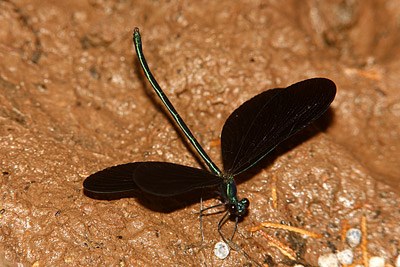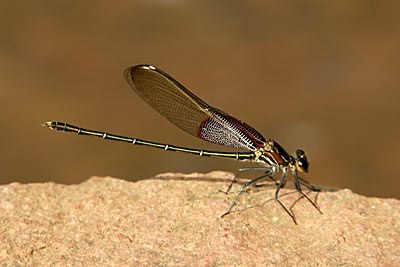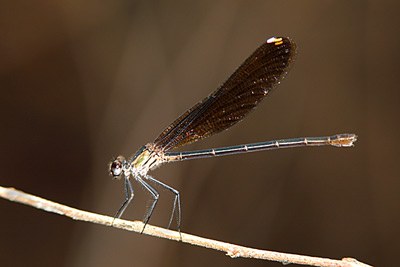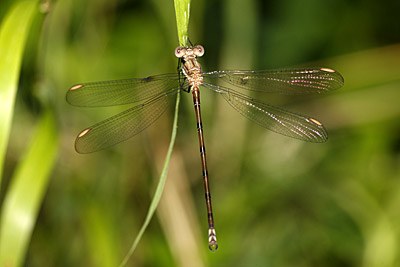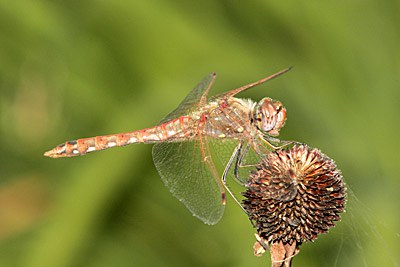
Variegated Meadowhawk
Sympetrum corruptum
- Habitat
- A wide variety of still and slow water, including ponds, ditches, and temporary pools, across nearly all of North America
- Size
- About 1.3 to 1.6 inches (33–40 mm) long
- Lifespan
- A few weeks as a flying adult; this species is notably migratory and individuals can turn up far outside their typical breeding range
- Diet
- Adults catch small flying insects such as midges, gnats, and small flies; nymphs prey on small aquatic invertebrates in a variety of still-water habitats
About the Variegated Meadowhawk
The Variegated Meadowhawk is a small, boldly patterned dragonfly whose common name reflects its mottled, variable coloring, a mix of reddish-brown, tan, and cream markings arranged in a checkered pattern along the abdomen that sets it apart from the more uniformly reddish look of many other meadowhawks. Pale spots along the top of the abdomen, bordered by darker markings, are one of the more reliable features for distinguishing it from related Sympetrum species, and both sexes show a broadly similar pattern, though males tend to develop a somewhat richer reddish tone as they mature.
This is one of the most wide-ranging meadowhawks in North America, tolerating an unusually broad variety of still and slow-water habitats, from permanent ponds and marshes to roadside ditches and temporary rain pools, and it is found across nearly the entire continent, including all of Oklahoma. It is also one of the more genuinely migratory dragonfly species in North America, with individuals known to travel long distances outside the breeding season; this wandering habit means it sometimes shows up well outside areas where it is known to regularly breed, arriving as an early-season stray in places where it later becomes locally common only for part of the year.
Adults hunt by perching low on vegetation, bare ground, or debris near water and darting out to catch small flying insects such as midges, gnats, and small flies, then generally returning to the same perch, a hunting style typical of meadowhawks and smaller skimmers generally. The aquatic nymphs are adaptable, tolerating the wide range of still-water conditions the adults use for breeding, and prey on small aquatic invertebrates using the same rapid-strike hinged jaw used by all dragonfly nymphs.
Breeding happens across this same broad range of habitats, with males and females often seen flying in tandem while laying eggs directly into open water or onto wet mud and vegetation at the water's edge, a behavior that helps the species exploit temporary pools quickly before they dry out. Combined with its migratory tendencies and tolerance for many types of water, the Variegated Meadowhawk is one of the more unpredictable and wide-ranging dragonflies a visitor to Oklahoma might encounter, sometimes turning up at unexpected times or places.
Frequently asked questions
What does "variegated" refer to in its name?
It refers to the mottled, checkered mix of reddish-brown, tan, and cream markings on the abdomen, which vary more than the more uniform coloring of many other meadowhawks.
Is this species migratory?
Yes, it is one of the more genuinely migratory North American dragonflies, with individuals sometimes traveling long distances and turning up outside their usual breeding areas.
What kind of water does it use for breeding?
A very wide range, including permanent ponds and marshes as well as temporary pools and roadside ditches.
What does it eat?
Adults catch small flying insects such as midges and gnats near the water, while nymphs prey on small aquatic invertebrates underwater.
Where to find it
This species favors wetland habitat. See real Oklahoma locations on the Habitats map.